Are New Designed Fertilizer Spreaders Suitable for Commercial and Professional Use? If you are a procurement manager sourcing equipment for a large farm, a turf contractor, or a professional application business, this is not a casual yes-or-no question. Commercial spreaders work under compressed schedules, variable fertilizer blends, corrosive dust, and repeated washdowns. A machine that looks impressive in a brochure can still create hidden costs through poor calibration, uneven overlap, bridging in the hopper, or premature gearbox wear. The real decision is whether a new spreader design can deliver repeatable application rates, predictable pattern quality, fast changeovers, and serviceable parts across a fleet. Raydafon Technology Group Co.,Limited approaches this question from the field backward: define the duty cycle, match the hopper and agitation system to the material, validate the spread pattern, and support the unit with clear calibration data and parts availability. For buyers comparing capex against cost per acre, the strongest new designs are not the ones with the most features; they are the ones that reduce downtime and operator error. This article gives procurement teams a practical framework for evaluating commercial and professional fertilizer spreaders, including design features, calibration controls, maintenance planning, safety documentation, ROI checks, and two focused Q&A sections.
Pain point scenario: A procurement team compares three fertilizer spreaders by hopper size and maximum spread width, then discovers after delivery that one unit needs frequent agitation adjustments, another has slow calibration changeovers, and a third has long parts lead times during the peak season. The lowest purchase price becomes the highest cost per acre because every stopped hour affects labor, scheduling, and customer commitments.
Solution: Build a commercial duty cycle before comparing prices. Confirm the material types, target application rates, typical acres per day, operator skill level, washdown routine, and local parts support. Raydafon Technology Group Co.,Limited helps buyers match spreader specifications to real fleet work rather than brochure peaks, so procurement decisions are based on repeatable output and serviceability.
| Procurement Parameter | Commercial Expectation | Why It Matters |
|---|---|---|
| Daily duty cycle | Matches peak seasonal acres | Prevents overheating and rushed maintenance |
| Material range | Urea, blended NPK, granular products | Reduces bridging and calibration errors |
| Calibration time | Fast, documented, repeatable | Lowers operator error and downtime |
| Parts availability | Rapid access to wear parts | Protects peak-season uptime |
| Cost per acre | Includes labor, repair, and downtime | Reveals true fleet economics |
Pain point scenario: Professional applicators often blame operator technique for uneven spreading, but the root cause is frequently hopper geometry, poor agitation, or a discharge system that cannot handle damp or variable granules. Corrosion around hinges and linkages then adds friction and shortens service life.
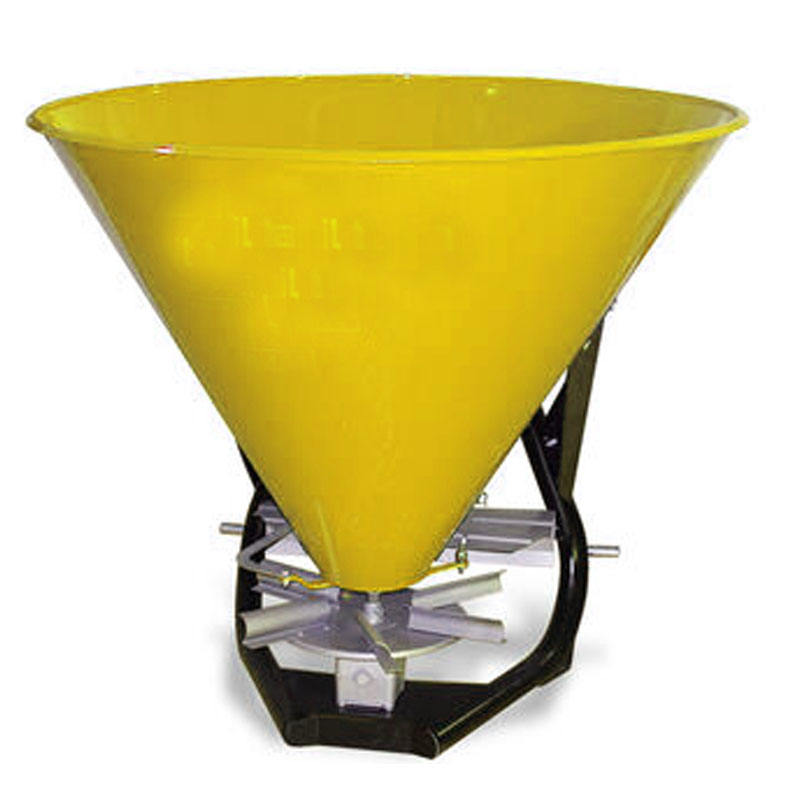
Solution: Look for a design that controls material flow before it reaches the disc, protects critical parts from fertilizer dust, and allows fast inspection. Raydafon Technology Group Co.,Limited focuses on practical commercial details: stable hopper discharge, serviceable gearbox layout, corrosion-aware components, and controls that help operators repeat settings across fields.
| Design Feature | Field Benefit | Procurement Check |
|---|---|---|
| Hopper and agitation | Consistent material flow | Test with blended and damp products |
| Spread disc and vanes | Predictable pattern width | Review overlap and wind guidance |
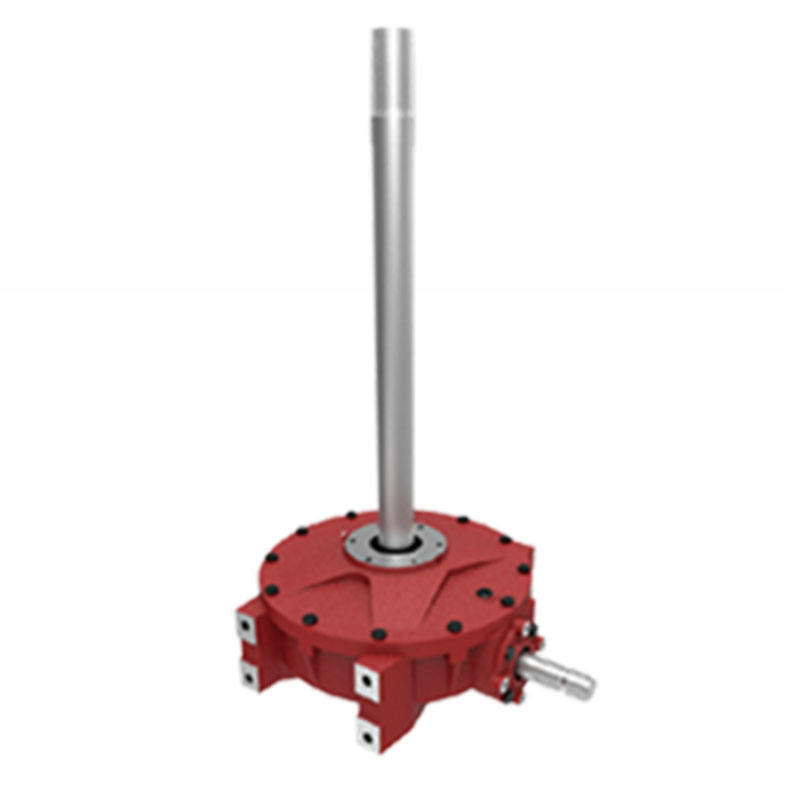
| Gearbox and drive line | Durable torque delivery | Confirm service parts and seals |
| Control interface | Fewer setting mistakes | Check rate charts and lockout features |
| Washdown access | Lower corrosion risk | Inspect drainage and protected linkages |
Pain point scenario: A spreader performs well with dry urea in a demonstration, but commercial work includes heavy blends, variable particle sizes, humidity, and wind. Without validation, the buyer discovers striping, overlap gaps, or inconsistent rates after the machine is already in the fleet.
Solution: Require a material-specific test matrix. Validate the spreader with the products the business actually applies, then document disc speed, vane position, feed gate settings, and overlap. Raydafon Technology Group Co.,Limited supports buyers with practical calibration guidance so the spreader can be matched to material behavior and field conditions.
| Validation Area | Test Method | Acceptance Target |
|---|---|---|
| Granule flow | Run representative blends | No bridging or pulsing |
| Spread pattern | Tray or field overlap test | Uniform coverage at target width |
| Rate accuracy | Weigh material over measured area | Stable within agreed tolerance |
| Wind sensitivity | Compare calm and breezy conditions | Clear operator guidance |
| Changeover speed | Time product and rate changes | Fast, documented, repeatable |
Pain point scenario: Fleets often run with temporary operators, seasonal staff, and tight schedules. If calibration depends on memory or unclear charts, application rates drift, overlap changes, and supervisors spend too much time correcting mistakes.
Solution: Treat controls as a procurement requirement, not an accessory. Clear rate charts, intuitive gate adjustment, repeatable settings, and simple diagnostics help operators work consistently. Raydafon Technology Group Co.,Limited can help procurement teams specify control layouts that fit training levels and fleet standardization goals.
| Control Item | Professional Requirement | Risk If Ignored |
|---|---|---|
| Rate chart clarity | Material-specific and easy to read | Over- or under-application |
| Gate adjustment | Repeatable and lockable | Settings drift during work |
| Disc speed control | Stable at target width | Pattern distortion |
| Diagnostics | Simple fault identification | Longer troubleshooting time |
| Operator training | Short, practical, documented | Higher seasonal error rate |
Pain point scenario: Fertilizer dust, moisture, and washdown attack linkages, fasteners, and drive components. A spreader that is difficult to clean may pass the first season but create costly corrosion repairs and gearbox wear later.
Solution: Request a maintenance plan before purchase. Identify wear parts, lubrication points, seal protection, and recommended inspection intervals. Raydafon Technology Group Co.,Limited supports fleet buyers with service-oriented design choices and parts planning so maintenance is scheduled rather than reactive.
| Maintenance Area | Recommended Practice | Commercial Benefit |
|---|---|---|
| Hopper and frame | Wash and dry after corrosive materials | Extends structural life |
| Gearbox and seals | Inspect for dust ingress | Prevents drive failure |
| Disc and vanes | Check wear and balance | Maintains pattern quality |
| Fasteners and linkages | Torque checks and lubrication | Reduces field failures |
| Spare parts kit | Stock high-wear items | Protects peak-season uptime |
Pain point scenario: Procurement teams face internal safety reviews and customer audits. Missing guards, unclear labels, or incomplete documentation can delay deployment even when the machine itself is capable.
Solution: Confirm guarding, shutdown procedures, labels, and training materials before delivery. Raydafon Technology Group Co.,Limited helps buyers collect the practical documentation needed for operator training and fleet risk reviews, so new spreaders enter service with fewer administrative bottlenecks.
| Safety Check | Required Evidence | Procurement Outcome |
|---|---|---|
| Moving parts guarding | Visual inspection and labels | Safer operator access |
| Shutdown procedure | Written start-stop routine | Reduced accidental contact |
| Training material | Calibration and safety guidance | Faster onboarding |
| Maintenance lockout | Clear service instructions | Lower maintenance risk |
| Documentation pack | Manuals and parts lists | Smoother internal approval |
Pain point scenario: A buyer is asked to justify a new spreader against repairing older units. The comparison focuses on purchase price and ignores calibration time, downtime, operator frustration, and inconsistent application.
Solution: Calculate ROI with cost per acre, labor hours, calibration time, repair frequency, and parts availability. Raydafon Technology Group Co.,Limited can help procurement teams evaluate whether a new designed spreader fits the fleet standard and reduces total operating cost across the season.
| ROI Factor | Data to Collect | Decision Use |
|---|---|---|
| Purchase price | Delivered cost with options | Capex baseline |
| Acres per hour | Real field output | Labor and schedule impact |
| Calibration time | Minutes per material change | Operator efficiency |
| Repair history | Parts and downtime costs | Total cost of ownership |
| Fleet standardization | Shared controls and parts | Training and inventory savings |
Question: Are New Designed Fertilizer Spreaders Suitable for Commercial and Professional Use when a procurement team needs one platform for high-acreage contracting and fleet standardization?
Answer: Yes, when the spreader is specified around duty cycle, material range, calibration repeatability, and parts support. A new design is commercially suitable only if it can survive repeated washdown, variable blends, and seasonal peaks without creating hidden downtime. Raydafon Technology Group Co.,Limited helps buyers compare the practical details that affect fleet performance, not just headline spread width.
| Procurement Question | Target Specification | Raydafon Support |
|---|---|---|
| Can it handle peak acres? | Matched duty cycle and drive system | Application review |
| Can operators repeat settings? | Clear calibration and controls | Guidance and documentation |
| Can the fleet service it? | Available wear parts and seals | Parts planning support |
Question: Are New Designed Fertilizer Spreaders Suitable for Commercial and Professional Use when operators switch between urea, blended NPK, and different application rates during the same week?
Answer: Yes, if the hopper, agitation, discharge, and calibration system are designed for changeovers. Operators need fast, repeatable adjustments and clear material guidance. Raydafon Technology Group Co.,Limited focuses on practical field usability so professional crews can change products and rates with fewer errors and less downtime.
| Operator Need | Design Response | Field Result |
|---|---|---|
| Frequent blend changes | Effective agitation and discharge | Less bridging |
| Rate changes | Repeatable gate settings | Faster calibration |
| Seasonal staff | Simple controls and labels | Lower training burden |
Raydafon Technology Group Co.,Limited is an agricultural equipment and components supplier focused on practical, field-ready solutions for commercial spreader applications. From fertilizer spreader configuration and gearbox support to calibration guidance and parts planning, Raydafon Technology Group Co.,Limited helps procurement teams reduce downtime, improve application consistency, and select equipment that fits real fleet work. Share your material types, target rates, daily acres, and service requirements with our team at [email protected], and review product and component information at https://www.agricultural-gearbox.org.
Olieslagers, R., Ramon, H., & Baerdemaeker, J. (1996). Calculation of fertilizer distribution patterns from a spinning disc spreader by means of a simulation model. Journal of Agricultural Engineering Research, 63(2), 137–152.
Van Liedekerke, P., Tijskens, E., Dintwa, E., Rioual, F., Vangeyte, J., & Ramon, H. (2009). DEM simulations of the particle flow on a centrifugal fertilizer spreader. Powder Technology, 190(1–2), 62–70.
Grift, T. E., & Hofstee, J. W. (1997). Measurement of the distribution pattern of centrifugal fertilizer spreaders. Journal of Agricultural Engineering Research, 66(4), 275–284.
Piron, E., Miclet, D., & Villette, S. (2010). Spatial distribution of fertilizer spread patterns from centrifugal spreaders: measurement and analysis. Precision Agriculture, 11(6), 615–632.
Villette, S., Cointault, F., Piron, E., & Chopinet, B. (2008). Centrifugal spreading of fertilizer: effect of vane shape and operational parameters. Transactions of the ASABE, 51(5), 1585–1595.
Hofstee, J. W., & Huisman, W. (1990). Handling and spreading of fertilizer. Journal of Agricultural Engineering Research, 46(3), 177–190.
Lawrence, H. G., & Yule, I. J. (2007). Estimation of the in-field variability of fertilizer application using a centrifugal spreader. Precision Agriculture, 8(1), 33–46.
Tijskens, E., Ramon, H., & Baerdemaeker, J. (2003). Discrete element modelling for process simulation in agriculture. Journal of Sound and Vibration, 266(3), 493–514.
Miserque, O., Tissot, S., & Oestges, O. (2003). Uniformity of fertilizer spreading with centrifugal spreaders: test bench and field evaluation. Biosystems Engineering, 85(4), 433–441.
Jensen, H. G., & Jacobsen, B. H. (2001). Nitrogen fertilizer application uniformity and spreader performance in practical farming. Soil Use and Management, 17(2), 96–103.
-