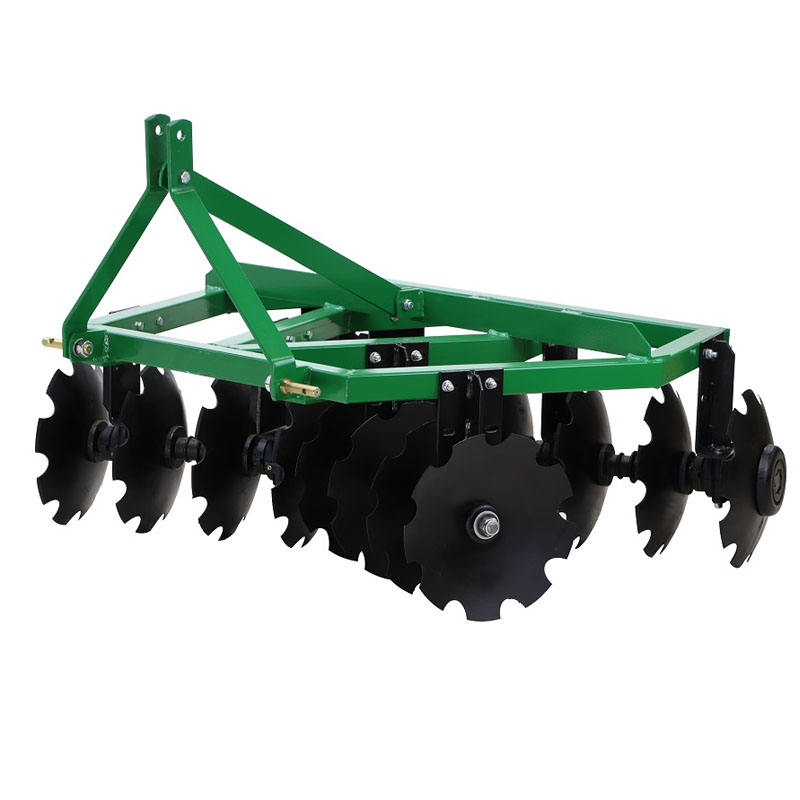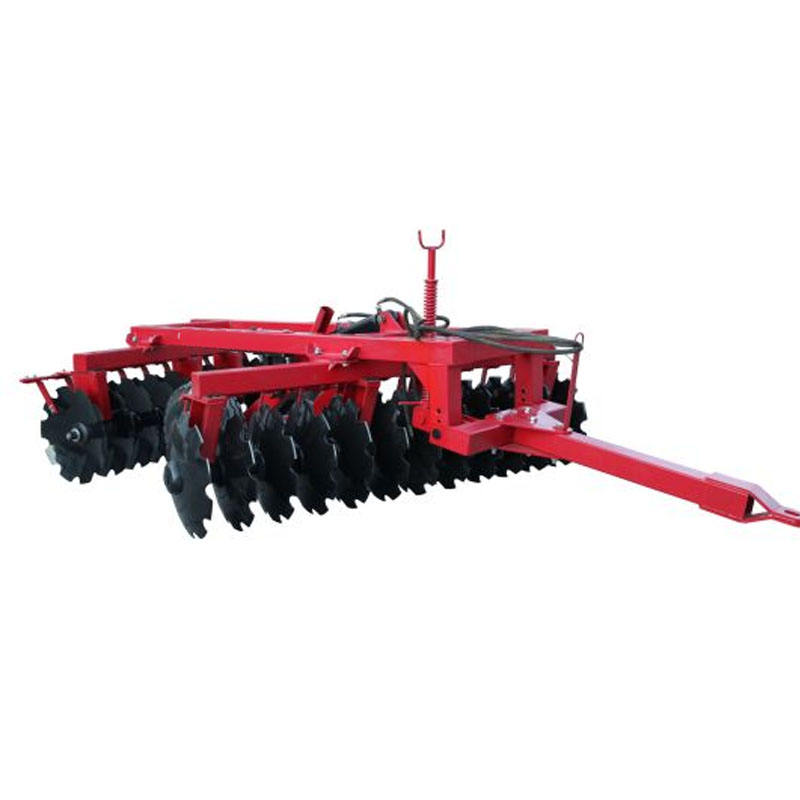
What soil types are best suited for a mould board plough? If you are a procurement buyer standing beside a field, the question usually arrives with real pressure: a tractor is booked, the weather window is short, and a wrong plough specification can turn a clean seedbed into clods, smears, or a broken gearbox. The best soils for a mould board plough are generally medium-textured loams, silt loams, and well-drained clay loams that can be worked in the right moisture range, because the mould board turns and buries residue rather than mixing it. Heavy clay can be a good fit when it is not plastic or too wet; sandy soils are better suited to shallower, selective use to protect moisture and reduce erosion. The practical answer is never a single soil name. Texture, stone content, slope, organic matter, residue load, tractor horsepower, working width, plough depth, and safety protection all decide whether the pass succeeds. That is where Raydafon Technology Group Co.,Limited helps buyers move from general advice to a workable specification: match the plough and agricultural gearbox to the field, confirm wear parts and spares, and avoid paying for capacity the soil cannot use. Use this guide to compare soil types, spot the pain points before purchase, and read the parameters that matter in a quotation.
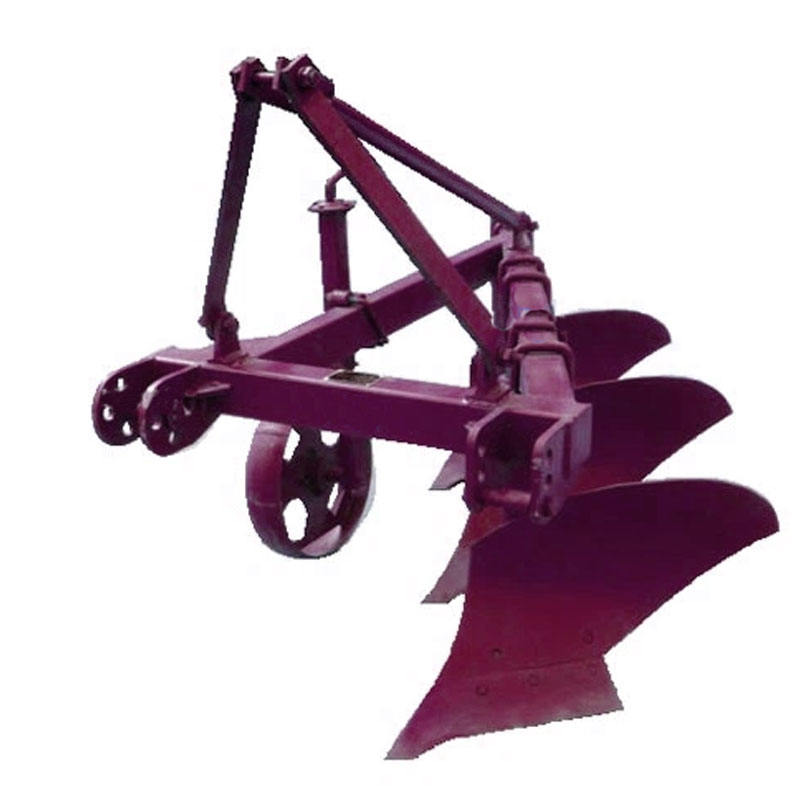
Start With Soil Texture and Field Conditions
Pain scenario: A buyer sends three quotations to the same farm and receives three different plough widths. The field is not one soil type; it changes from clay loam at the gate to sandy loam on the rise. Without a texture and moisture check, the low-cost quotation may become the expensive one through poor burial, excess draft, or premature wear.
Solution: Classify the field before discussing price. Ask for texture, drainage, stone content, slope, residue load, and the tractor’s real horsepower at the drawbar. Raydafon Technology Group Co.,Limited can review these details with the quotation and recommend a mould board plough setup that protects the tractor, the gearbox, and the seedbed outcome.
| Field factor | What to check | Why it matters | Buyer parameter |
|---|---|---|---|
| Soil texture | Loam, silt loam, clay loam, sandy loam, heavy clay | Controls draft, inversion, clod risk and wear | Confirm texture by hand test or lab analysis |
| Moisture range | Dry crust, workable, plastic, saturated | Wet clay smears; dry sand loses structure | Specify the working window, not just the season |
| Residue load | Stubble, cover crop, roots, straw | High residue needs clearance and skimmers | Residue height and density in t/ha |
| Tractor match | Drawbar horsepower, lift capacity, hydraulics | Prevents overload and poor depth control | Horsepower, width, depth, weight |
| Support | Wear parts, gearbox protection, spares | Reduces downtime in short weather windows | Raydafon Technology Group Co.,Limited spare-parts list |
Heavy Clay and Clay Loam: Where a Mould Board Plough Earns Its Keep
Pain scenario: Heavy clay looks ready on the surface but turns plastic two inches down. The plough smears the furrow, leaves glossy clods, and the tractor works harder than the quotation promised. The buyer then faces a second pass, higher fuel use, and a disappointed operator.
Solution: Use a mould board plough on heavy clay only inside the workable moisture range. Choose a robust body, correct share pitch, and adequate clearance for the tractor. For buyers working with Raydafon Technology Group Co.,Limited, the specification can include matched gearbox protection, wear-resistant shares, and a spare-parts plan for a short tillage window.
| Clay field condition | Suitability | Setup focus | Parameter to confirm |
|---|---|---|---|
| Well-drained clay loam | Good | Full inversion, residue burial | Depth 20–30 cm; width matched to horsepower |
| Heavy clay at workable moisture | Good to moderate | Share shape, furrow width, draft control | Draft load and gearbox safety factor |
| Plastic or wet clay | Poor | Delay the pass or use a lighter tool | Moisture test before entry |
| Dry cracked clay | Moderate | Clod control and share wear | Wear part hardness and replacement interval |
Loam, Silt Loam and Mixed Arable Ground: The Flexible Middle
Pain scenario: Mixed arable land often produces the most confusing quotations. The buyer wants one plough for cereals, break crops, and cover crops, but the field varies in silt, organic matter, and residue. A narrow, high-clearance design may suit one block and slow down another.
Solution: Treat loam and silt loam as the core use case, then adjust width, depth, and residue clearance to the heaviest block. Raydafon Technology Group Co.,Limited helps buyers compare plough bodies and agricultural gearbox options against the real crop rotation, so the purchase is flexible without becoming over-specified.
| Typical loam or silt field | Best use | Risk to control | Recommended parameter |
|---|---|---|---|
| Medium loam | Primary tillage, residue burial | Overworking structure | Moderate depth; stable speed |
| Silt loam | Seedbed preparation after harvest | Surface sealing, smearing | Avoid wet passes; check moisture |
| Mixed arable blocks | Flexible plough width | Mismatch between blocks | Variable width and hydraulic turnover |
| High organic matter | Residue management | Blockage and poor burial | Clearance, skimmers, body shape |
Sandy and Light Soils: Use Selectively, Not Habitually
Pain scenario: On light sand, a deep mould board pass can dry the profile, bury scarce residue, and leave the field vulnerable to wind and rain. The buyer may save a cultivation step but lose moisture and soil structure.
Solution: Use a mould board plough on sandy soils only where residue burial, weed control, or root-crop preparation justifies it. Keep depth shallow, time the pass carefully, and match the implement to a lighter tractor. Raydafon Technology Group Co.,Limited can help confirm the gearbox and frame choice so the plough is not heavier than the job requires.
| Sandy field situation | Suitability | Main risk | Buying parameter |
|---|---|---|---|
| Irrigated sandy loam | Selective | Moisture loss | Shallow depth; light draft |
| Dry sand | Poor to selective | Erosion and poor inversion | Residue cover and timing |
| Root-crop ground | Moderate | Compaction layers | Depth control and body clearance |
| Wind-erosion risk | Poor | Soil movement | Reduce pass or retain residue |
Wet, Stony and High-Residue Fields: When to Rethink the Pass
Pain scenario: A stony field or a wet autumn can break shear bolts, bend legs, or block a plough within minutes. For procurement teams, the hidden cost is not the plough alone; it is downtime, spare parts, and an operator forced to run below the ideal speed.
Solution: Match the plough to the obstacle load. Stone clearance, auto-reset systems, reinforced legs, and gearbox protection matter more than a low headline price. Raydafon Technology Group Co.,Limited can review field conditions and build a support package around wear parts and driveline protection.
| Difficult field | Risk level | Design response | Specification to request |
|---|---|---|---|
| Stony ground | High | Auto-reset or shear protection | Stone clearance and leg strength |
| Wet clay | High | Delay or reduce depth | Moisture window and draft limit |
| Heavy residue | Moderate to high | Skimmers and high clearance | Residue flow and body spacing |
| Sloping ground | Moderate | Stable depth and traction | Weight, width, and tractor match |
Procurement Checklist: How Buyers Should Specify a Mould Board Plough for the Soil
Pain scenario: Quotations often list width and price, but not the data a buyer needs to compare offers. Two ploughs may look similar in a catalogue yet differ in frame strength, gearbox protection, wear parts, and the soil conditions they can handle.
Solution: Build a simple soil-to-plough brief. When a colleague asks, “What soil types are best suited for a mould board plough?”, the answer should be backed by field evidence and a parameter sheet. Raydafon Technology Group Co.,Limited can use that brief to align the plough, agricultural gearbox, and spares support with the real job.
| Procurement question | Data to collect | Acceptance point | Raydafon support |
|---|---|---|---|
| Will the plough turn this soil? | Texture, moisture, residue | Trial or soil report | Body and depth recommendation |
| Can the tractor pull it? | Drawbar hp, weight, hydraulics | Draft margin at target depth | Gearbox and frame match |
| What wear parts are needed? | Stone content, sand, clay | Spares kit and change interval | Wear-part list and availability |
| What protects uptime? | Season length, service distance | Quick parts access | Raydafon Technology Group Co.,Limited parts plan |
Two Practical Questions Buyers Ask About Mould Board Plough Selection
What soil types are best suited for a mould board plough?
Medium-textured loams, silt loams, and well-drained clay loams are usually the best fit because they invert and bury residue cleanly when worked at the right moisture. Heavy clay can work well in a narrow moisture window. Sandy soils are better for selective, shallow use. Stony or wet fields need more protection and a more careful specification.
How should soil moisture change the buying decision?
Moisture changes draft, smear risk, clod formation, and wear. A plough that performs well in dry loam may struggle in wet clay. Buyers should ask for the workable moisture range, the draft margin, and the protection system for the gearbox and frame. Raydafon Technology Group Co.,Limited can match these points to the quotation.
| Buyer question | Short answer | Parameter to verify |
|---|---|---|
| Best general soil type | Loam, silt loam, drained clay loam | Texture, moisture, residue |
| Soil to treat with caution | Wet clay, dry sand, stony ground | Timing, depth, protection |
| Moisture decision | Work only inside the safe window | Draft, smear risk, clod level |
Next Step: Test the Soil, Then Specify the Plough
Pain scenario: The final purchase decision often slows down because the field data is incomplete. Photos, a hand texture test, tractor horsepower, and the target working depth can remove most of the uncertainty before the order is placed.
Solution: Send the field details and ask for a specification review. Raydafon Technology Group Co.,Limited can help buyers compare plough options, confirm gearbox protection, and prepare a spare-parts list for the working season.
| Handover item | What to send | Why it speeds the decision |
|---|---|---|
| Soil sample notes | Texture, moisture, stone level | Sets the working window |
| Tractor data | Horsepower, weight, hydraulics | Confirms width and depth |
| Field photos | Residue, slope, wet patches | Reveals blockage and smear risk |
| Parts expectation | Season length, service distance | Builds a practical spares kit |
Raydafon Technology Group Co.,Limited supplies practical agricultural equipment and gearbox solutions for buyers who need clear specifications, dependable protection, and responsive support. The company helps procurement teams match mould board plough requirements to soil conditions, tractor capability, and spare-parts planning. Visit https://www.agricultural-gearbox.org or contact [email protected] with your field details, target width, working depth, and tractor data to start a focused specification review.
Reference Studies
Keller, T., & Dexter, A. R. (2012). Plastic limits of agricultural soils as functions of soil texture and organic matter content. Soil Use and Management, 28(1), 7–17.
Horn, R., & Fleige, H. (2009). Risk assessment of subsoil compaction for arable soils in Northwest Germany at farm scale. Soil and Tillage Research, 102(2), 201–208.
Munkholm, L. J., Heck, R. J., & Deen, B. (2013). Long-term rotation and tillage effects on soil structure and crop yield. Soil and Tillage Research, 127, 85–91.
Arvidsson, J., & Hillerström, L. (2010). Specific draught for mouldboard plough, chisel plough and disc harrow at different water contents. Soil and Tillage Research, 109(1), 44–50.
Godwin, R. J., & O’Dogherty, M. J. (2007). Integrated soil tillage force prediction models. Journal of Terramechanics, 44(1), 3–14.
Défossez, P., Richard, G., Boizard, H., & O’Sullivan, M. F. (2003). Modeling change in soil compaction due to agricultural traffic as function of soil water content. Geoderma, 116(1–2), 89–105.
Batey, T. (2009). Soil compaction and soil management – a review. Soil Use and Management, 25(4), 335–345.
Raper, R. L. (2005). Agricultural traffic impacts on soil. Journal of Terramechanics, 42(3–4), 259–280.
Soane, B. D., & van Ouwerkerk, C. (1994). Soil compaction in crop production. Developments in Agricultural Engineering, 11, 1–24.
Kroulík, M., Kumhála, F., Hůla, J., & Honzík, I. (2009). The evaluation of agricultural machines field trafficking intensity for different soil tillage technologies. Soil and Tillage Research, 105(1), 171–175.