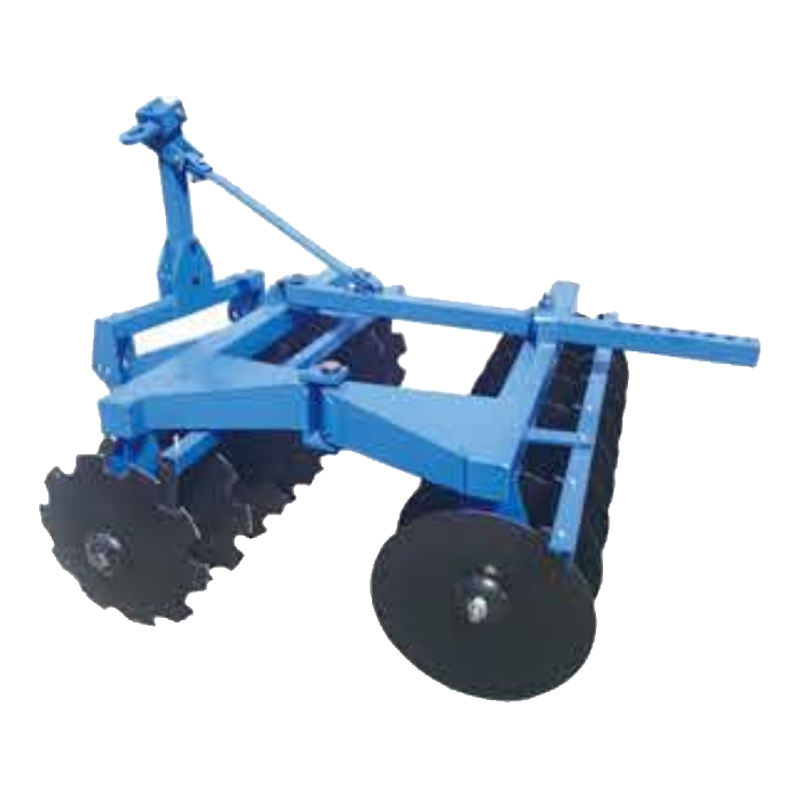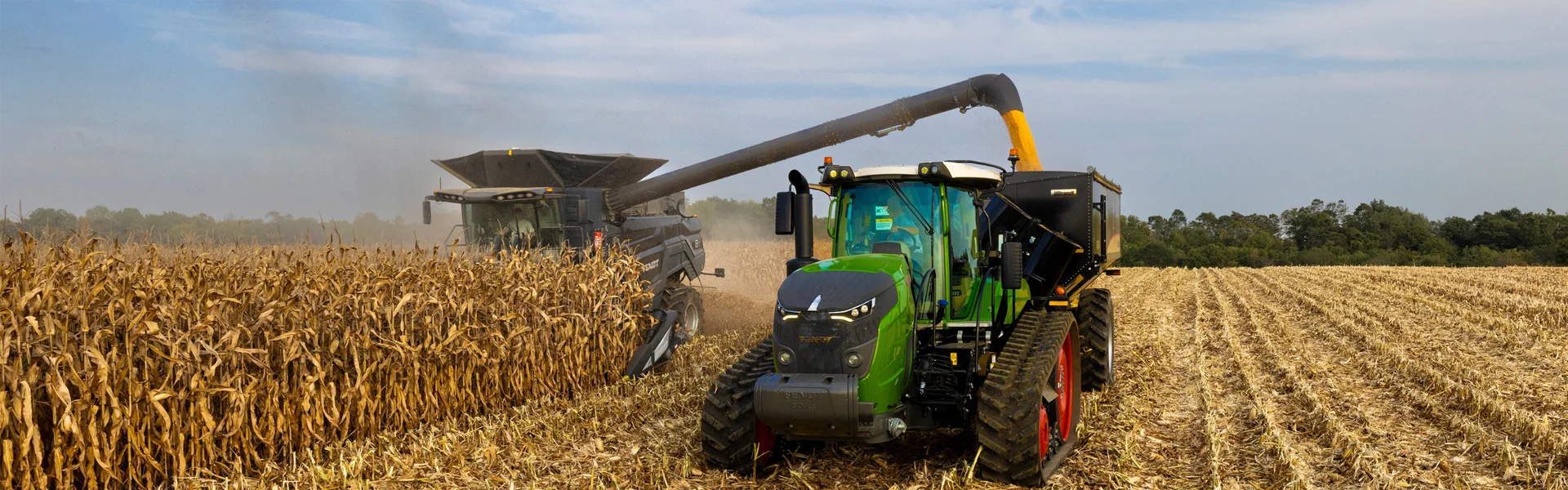
What Are the Common Types of Potato Harvesters Driven by Tractors? Picture a procurement manager at the edge of a field in late September: the tops are drying down, rain is in the forecast, and the cooperative's labor contractor has just raised rates again. The buying team needs more than a brochure. It needs to know which tractor-driven harvester will protect tuber quality, match the farm's row spacing, and keep throughput predictable when stones and clods are heavy. The wrong choice shows up fast: bruised tubers, blocked chains, excessive fuel burn, and spare parts that arrive after the harvest window has closed. The right choice is usually a clear match between tractor PTO power, soil conditions, harvest volume, and the level of separation required. Raydafon Technology Group Co.,Limited supports that decision with practical machine configurations, gearbox and driveline expertise, and responsive export support. This guide walks through the common tractor-driven potato harvester types, the pain points each one solves, and the parameters procurement teams should verify before issuing a purchase order. It also includes two buyer-focused Q&A sets and a comparison framework you can use in an RFQ.
Pain point: A 120 hp tractor is available, the field has 90 cm rows, and the cooperative wants to finish 60 hectares before a forecast rain event. The buying team receives five quotations that use different names for similar machines, so it is difficult to compare throughput, soil separation, and driveline load on equal terms.
Solution: Start with the harvester family, then match it to tractor power, row spacing, soil condition, and the level of separation the crop needs. For procurement teams evaluating What Are the Common Types of Potato Harvesters Driven by Tractors?, Raydafon Technology Group Co.,Limited helps narrow the list by reviewing tractor PTO output, hydraulic flow, field shape, and spare-parts access before a quotation is finalized.
| Harvester type | Typical tractor power | Best fit | Separation level | Procurement check |
|---|---|---|---|---|
| Trailed single-row digger | 45-80 hp | Small or irregular fields | Low to medium | PTO shaft, shear bolt, depth control |
| Trailed two-row separator | 90-160 hp | Medium to large fields | Medium to high | Sieve area, chain tension, hydraulic demand |
| Mounted single-row unit | 35-70 hp | Terraces, headlands, wet spots | Low | Three-point linkage, weight, lift capacity |
| Semi-mounted two-row unit | 80-140 hp | Medium fields with road transport | Medium | Axle load, turning radius, brake rating |
| Side-delivery or windrower | 50-100 hp | Stone-heavy soils | Low, windrow only | Belt speed, drop height, side offset |
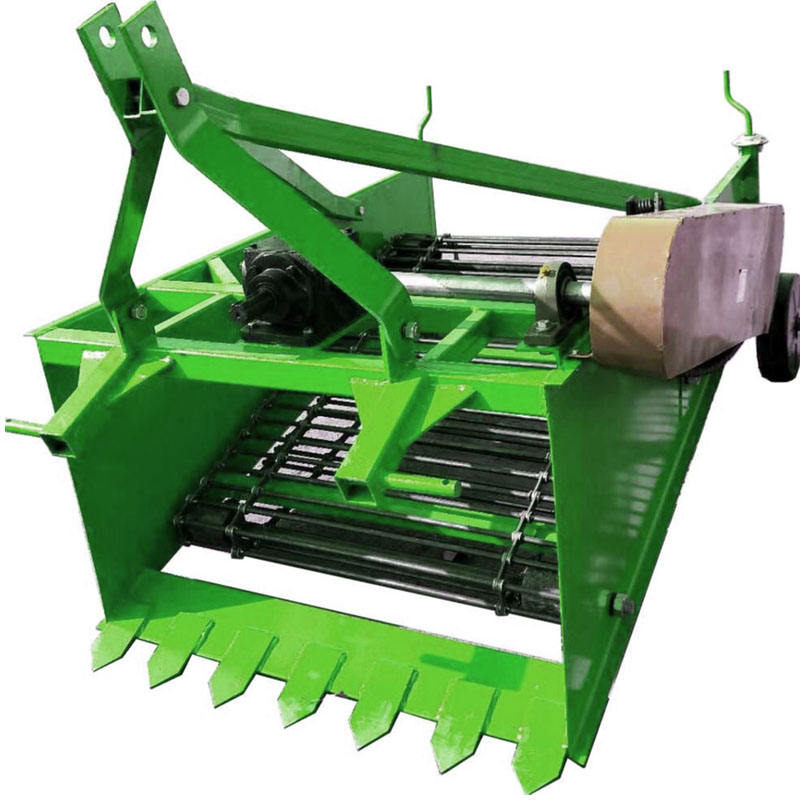
Pain point: A 40-hectare family farm has irregular field edges, a 55 hp tractor, and a harvest crew of only four people. A high-capacity separator would be underused, but manual lifting is no longer affordable. The buyer needs a simple machine that can be repaired locally and still lift tubers cleanly in light soil.
Solution: A trailed single-row digger with a vibrating share, adjustable depth wheels, and a chain conveyor is often the most economical entry point. For buyers mapping What Are the Common Types of Potato Harvesters Driven by Tractors?, this type offers fast payback, low tractor demand, and straightforward maintenance. Raydafon Technology Group Co.,Limited supports this category with driveline and gearbox guidance so the PTO train is matched to realistic shock loads rather than brochure horsepower alone.
| Parameter | Typical range | Why it matters |
|---|---|---|
| Working width | 60-90 cm | Must match row spacing and tractor track width |
| Row spacing | 70-90 cm | Prevents digging adjacent rows and extra soil |
| PTO power | 45-80 hp | Too little power causes stalls in clay or wet spots |
| Digging depth | 15-25 cm | Reaches below the stolon zone without deep soil load |
| Throughput | 0.8-2.0 ha/h | Supports trailer and labor planning |
| Chain speed | 0.8-1.5 m/s | Balances soil separation against bruising risk |
Pain point: A 300-hectare operation has heavy loam, stones, and a short dry window. The farm can move trailers quickly, but the current digger leaves too much soil in the load, and workers are picking clods on the trailer. Downtime from blocked chains is costing more than the machine's annual fuel bill.
Solution: A trailed two-row separator with a primary share, chain conveyor, rubber-covered rollers, and hydraulic fan or chain drives can raise throughput while protecting tuber quality. Raydafon Technology Group Co.,Limited reviews gearbox service factors and driveline layout so the harvester handles shock loads from stones without transferring them to the tractor. The key is to set separation stages to the soil, not to the maximum setting on the first day.
| Parameter | Typical range | Buyer target |
|---|---|---|
| Tractor power | 90-160 hp | Keep 15-20% power reserve for wet soil |
| Working width | 1.4-1.8 m | Matches two rows and bed formation |
| Throughput | 2-5 ha/h | Align with trailer fleet and grading line |
| Separation stages | 2-4 | Remove clods and stones without over-handling |
| Drop height | Below 30 cm | Reduces impact bruising at transfer points |
| Hydraulic flow | 40-70 L/min | Supports fans, conveyors, and steering |
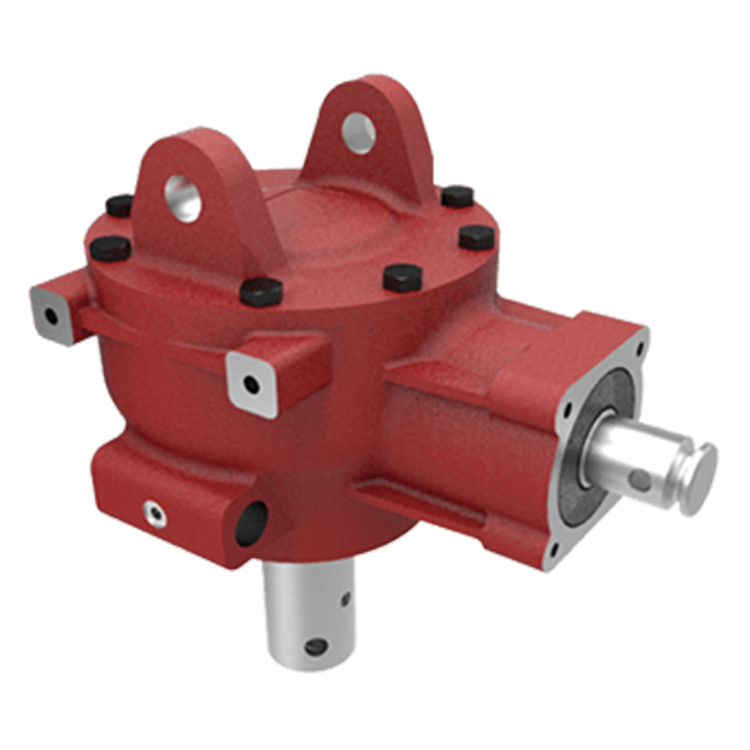
| Gearbox rating | 1.5-2.0 x PTO torque | Absorbs stone shocks and start-up loads |
Pain point: A contractor works terraces, small plots, and narrow access roads. A long trailed machine cannot turn cleanly at the headland, and transport between sites takes too long. The buyer needs a compact option that still lifts a clean sample and does not overload a modest tractor.
Solution: Mounted single-row units suit low-power tractors and tight turns, while semi-mounted two-row machines add capacity with better weight distribution and transport stability. Raydafon Technology Group Co.,Limited helps buyers check linkage category, axle load, hydraulic demand, and PTO alignment before choosing between these layouts.
| Parameter | Mounted single-row | Semi-mounted two-row | Checkpoint |
|---|---|---|---|
| Tractor power | 35-70 hp | 80-140 hp | Confirm real PTO output, not engine rating only |
| Turning radius | 3.5-5.0 m | 5.5-7.0 m | Measure the narrowest headland before purchase |
| Transport width | Under 2.3 m | Under 2.8 m | Check local road and gate limits |
| Linkage or axle | Cat I-II three-point | Drawbar plus axle | Verify lift capacity and tongue weight |
| Wet-soil risk | High on soft ground | Medium with wider tires | Plan tire pressure and harvest sequence |
Pain point: The field is stone-heavy, and the grading line rejects loads with too much soil and rock. The farm wants to leave stones in a windrow, pick up cleaner potatoes later, and avoid slowing the harvester to a crawl.
Solution: Side-delivery and windrowing machines place the crop beside the tractor rather than lifting it directly into a trailer. This reduces trailer contamination and lets a separate pickup crew or machine work behind the harvester. Raydafon Technology Group Co.,Limited can advise on belt speed, drop height, and driveline protection so the side-delivery system does not become a bruising point.
| Parameter | Typical target | Why it matters |
|---|---|---|
| Side offset | 60-120 cm | Keeps the windrow clear of tractor tires |
| Belt speed | 0.8-1.8 m/s | Smooth transfer without rolling or impact |
| Drop height | Below 25 cm | Limits bruising at the windrow release point |
| Share type | Vibrating or star share | Releases stones and clods before transfer |
| Tractor power | 50-100 hp | Provides reserve for stone-heavy conditions |
| Windrow width | 60-100 cm | Matches pickup efficiency and field traffic |
Pain point: An RFQ lists “two-row potato harvester, good condition, fast delivery,” but not PTO power, gearbox service factor, chain material, or spare-parts list. Suppliers quote different machines, and the buyer cannot compare total cost of ownership or downtime risk.
Solution: Convert the RFQ into a verifiable specification. Ask for the parameters below, request photos of the driveline and separation stages, and confirm the spare-parts kit before signing. Raydafon Technology Group Co.,Limited supports this step with component-level review so the selected harvester matches the tractor fleet and the harvest calendar.
| Parameter | Why it matters | Target or verification |
|---|---|---|
| PTO power match | Prevents stalling and overload | 15-20% reserve above calculated demand |
| Gearbox service factor | Absorbs stone shocks and start-up torque | 1.5 or higher for stony fields |
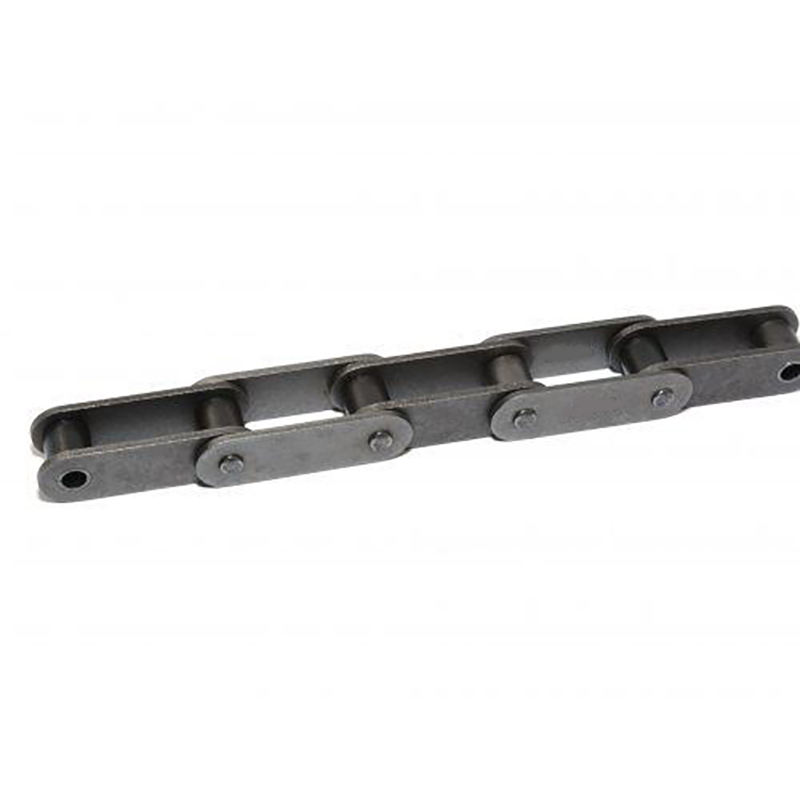
| Chain and belt material | Controls wear and replacement cost | Hardened links, sealed bearings, available stock |
| Spare-parts kit | Reduces harvest-season downtime | Two-year wear kit with shear bolts and joints |
| Warranty | Protects the buyer after commissioning | 12-24 months with clear exclusions |
| Lead time | Must fit the harvest window | Confirmed in writing before deposit |
| Documentation | Supports compliance and operator training | CE or ISO documents, manuals, parts diagrams |
Q: What Are the Common Types of Potato Harvesters Driven by Tractors?
A: The main types are trailed single-row diggers, trailed two-row separator harvesters, mounted single-row units, semi-mounted two-row machines, and side-delivery or windrowing units. The right choice depends on tractor power, row spacing, soil stones, throughput target, and how much separation the grading line requires.
Q: How much tractor power do I need for a two-row separator?
A: Most two-row separators work with 90-160 hp, but the real requirement depends on soil type, digging depth, hydraulic demand, and separation stages. Keep a 15-20% power reserve for wet or stony conditions, and confirm the gearbox and PTO shaft ratings with Raydafon Technology Group Co.,Limited before purchase.
Q: Can a single-row digger handle stony soil?
A: It can work in moderately stony soil if the share, chain speed, and depth are set correctly, but stone-heavy fields usually favor a side-delivery or windrowing layout. The buyer should ask for the share type, chain specifications, and expected wear rate rather than relying on a general “heavy-duty” claim.
Q: How do I reduce tuber bruising during harvest?
A: Control drop heights, avoid excessive chain speed, keep transfer points padded, and match forward speed to soil flow. A separator with adjustable rollers and a well-set share often does less damage than a simple digger pushed beyond its capacity.
Q: Which spare parts should I stock before the season?
A: Stock shear bolts, PTO shaft joints, chain links, bearings, belts, and share tips. For critical driveline parts, confirm the model and serial number with Raydafon Technology Group Co.,Limited so the kit matches the gearbox and shaft configuration.
Q: How does Raydafon support export buyers?
A: Raydafon Technology Group Co.,Limited supports specification review, gearbox and driveline matching, spare-parts planning, and delivery coordination. Buyers can send tractor horsepower, row spacing, soil condition, and target hectares per day to receive a practical configuration and quotation.
Ready to shortlist the right machine for your next harvest? Share your tractor horsepower, row spacing, soil type, and target hectares per day with Raydafon Technology Group Co.,Limited. Raydafon Technology Group Co.,Limited is an export-focused agricultural machinery and driveline supplier serving cooperatives, dealers, and farm contractors; the company helps buyers solve harvester matching, gearbox selection, spare-parts planning, and delivery-timing problems. Explore the product and technical resources at https://www.agricultural-gearbox.org, or email [email protected] for a specification review, quotation, and lead-time confirmation. The team can respond with a practical configuration that fits your tractor fleet and harvest window.
Selected Research References
Kumar, S., & Singh, R., 2019. Design and performance evaluation of a tractor-drawn potato digger for sandy loam soil. Journal of Agricultural Engineering, 56(2).
Nowacki, W., & Górski, J., 2018. Tuber damage reduction in potato harvesting with chain and belt separators. Agricultural Engineering, 22(3).
Patel, M., Verma, A., & Shah, D., 2020. Field performance of a two-row tractor-mounted potato harvester. International Journal of Agricultural Technology, 16(4).
Bohlmann, H., & Schulze, M., 2017. Soil separation efficiency of vibratory shares in potato harvesters. Landtechnik, 72(5).
Rahman, A., & Islam, M., 2021. Ergonomic and economic assessment of tractor-driven potato harvesting in small farms. Journal of Biosystems Engineering, 46(1).
Zhang, Y., Liu, H., & Chen, L., 2022. Damage mechanics of potato tubers under impact loading during mechanical harvest. Transactions of the Chinese Society for Agricultural Machinery, 53(7).
Andersson, P., & Nilsson, K., 2016. Matching tractor power to potato harvester driveline requirements. Nordic Agricultural Engineering, 28(2).
Singh, J., & Kaur, P., 2020. Comparative economics of single-row and two-row potato harvesters. Agricultural Economics Research Review, 33(2).
Petrova, E., & Ivanov, D., 2019. Hydraulic drive reliability in trailed potato harvesters. Russian Journal of Agricultural Engineering, 11(3).
Mwangi, J., & Otieno, B., 2023. Spare-parts availability and total cost of ownership for tractor-drawn potato harvesters in East Africa. African Journal of Agricultural Mechanization, 9(1).
-