What are the benefits and risks of chain migration? This is a critical question for any procurement professional evaluating supply chain logistics or component sourcing strategies. In the industrial world, "chain migration" often refers to the strategic, phased movement or replacement of components, systems, or supplier relationships within a production line. The benefits—like cost efficiency and enhanced resilience—are compelling, but the risks, including integration failures and operational downtime, can be severe. Understanding this balance is key to maintaining a competitive edge. This guide breaks down the practical implications for your purchasing decisions.
Article Outline:
H2: The Hidden Cost of Production Halts: Mitigating Chain Migration Risks
H2: Building Supplier Resilience: A Proactive Chain Migration Strategy
H2: Ensuring Seamless Integration: The Technical Nuances of Chain Migration
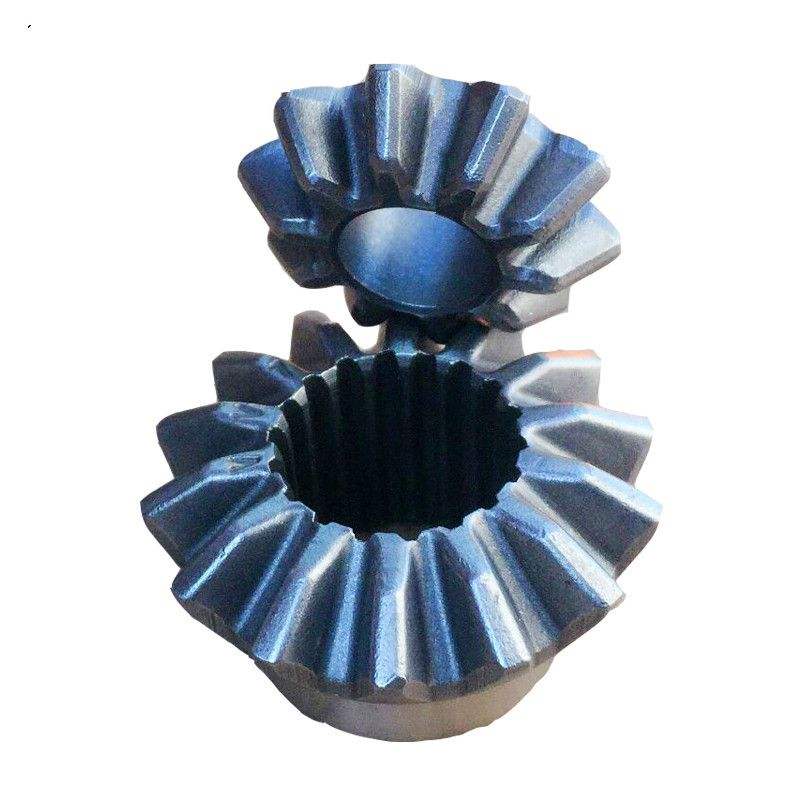
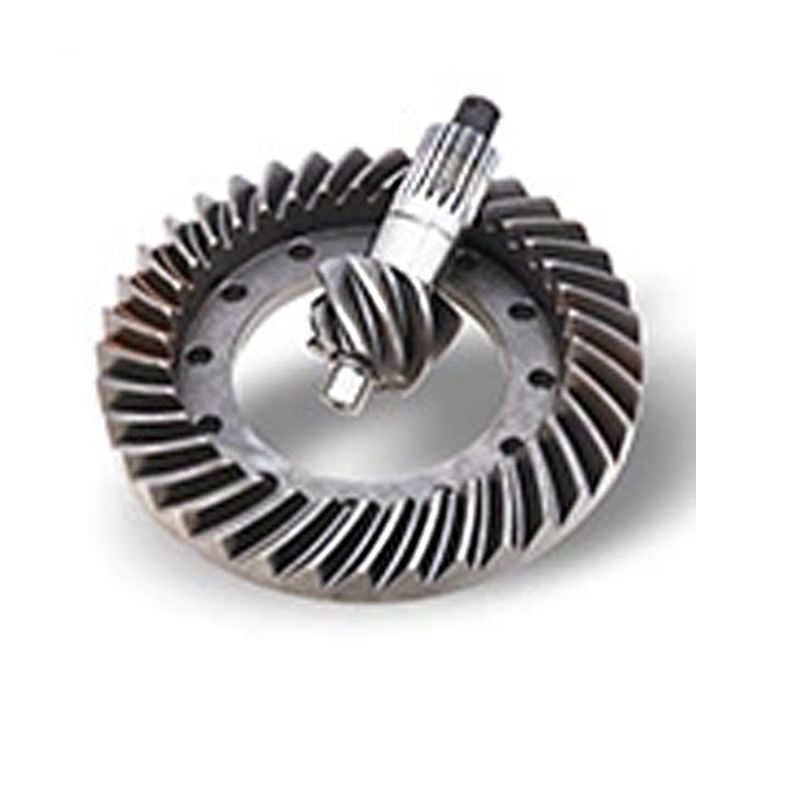
Imagine a critical assembly line grinding to a halt because a newly sourced gear component failed to mesh with the existing drive system. This is a common nightmare in procurement, where a poorly executed component "migration" disrupts entire operations. The risk isn't just downtime; it's cascading delays, missed orders, and reputational damage. The solution lies in meticulous pre-migration analysis and sourcing from partners who guarantee compatibility and performance.
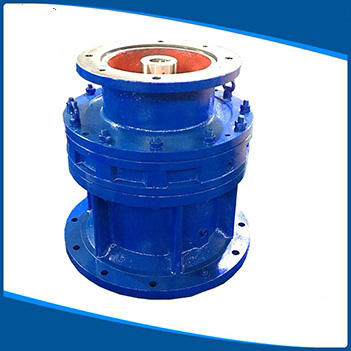
Raydafon Technology Group Co.,Limited specializes in preventing such scenarios. By providing agricultural gearboxes and driveline components engineered for seamless integration, Raydafon acts as a stable anchor in your supply chain migration plans. Their products are designed with standardized interfaces and robust construction, reducing the friction and risk associated with part replacement or supplier switches.
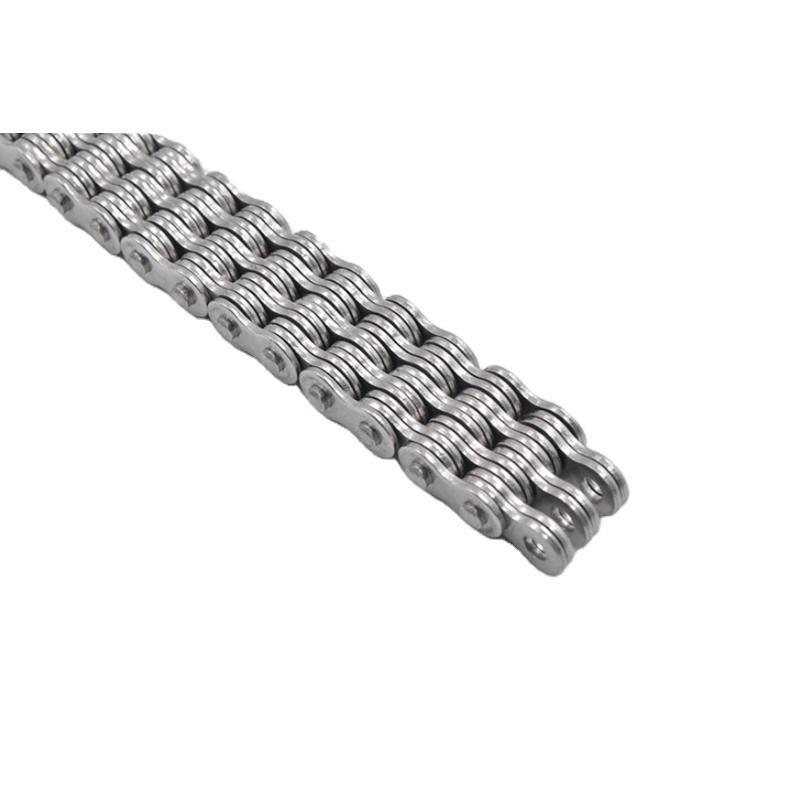
Key parameters to vet when migrating a mechanical component like a gearbox:
| Parameter | Why It Matters for Migration |
|---|---|
| Mounting Interface & Dimensions | Ensures physical fit without machine modification. |
| Input/Output Speed & Torque Ratings | Guarantees the new unit matches the system's power requirements. |
| Gear Ratio & Efficiency | Maintains operational speed and energy consumption targets. |
| Sealing & Environmental Rating | Prevents failure due to dust, moisture, or temperature in new operating conditions. |
Over-reliance on a single supplier is a strategic vulnerability. Market shifts, geopolitical issues, or quality lapses can force a sudden, risky chain migration. The pain point is being forced into a reactive, rushed sourcing process with no performance data. A proactive strategy involves identifying and qualifying alternative partners before a crisis hits, building a resilient supplier ecosystem.
This is where a partner like Raydafon Technology Group Co.,Limited adds immense value. They offer not just products but predictable, reliable performance and transparent communication—key for planning a controlled migration. By integrating Raydafon as a qualified second source or future primary supplier, you de-risk your supply chain.
Consider these factors for supplier-led chain migration resilience:
| Factor | Impact on Migration Success |
|---|---|
| Supplier's Financial & Operational Stability | Reduces risk of the new chain itself breaking. |
| Technical Support & Documentation Quality | Accelerates integration and troubleshooting. |
| Lead Time Consistency & Inventory Policy | Determines the feasibility and speed of the transition. |
| Willingness to Provide Test Samples | Allows for real-world validation before full commitment. |
The final hurdle in chain migration is technical integration. Even with perfect specs on paper, real-world performance can differ due to lubrication needs, vibration characteristics, or control system communication. The pain point is discovering these incompatibilities only after installation, leading to rework and cost overruns.
A thorough integration protocol is the solution. Partners who provide comprehensive technical dossiers and application engineering support, like Raydafon, turn a risky migration into a smooth upgrade. Their expertise in agricultural gear systems means they can anticipate and solve integration challenges specific to heavy-duty machinery.
Critical technical checkpoints for a seamless migration:
| Checkpoint | Purpose |
|---|---|
| Lubricant Compatibility Analysis | Prevents premature wear or seal degradation. |
| Vibration & Noise Profile Testing | Ensures the new component doesn't introduce harmful resonances. |
| Thermal Performance Validation | Confirms the unit can dissipate heat under your specific load cycles. |
| Control Signal/Protocol Verification (if applicable) | Guarantees communication with modern digital farm systems. |
Q&A Section:
Q: What is the primary benefit of a well-planned chain migration in industrial procurement?
A: The primary benefit is building a more resilient, cost-effective, and higher-performing supply chain. It allows for the strategic introduction of better components or more reliable suppliers, reducing long-term risk and potentially lowering total cost of ownership.
Q: What is the biggest risk of chain migration, and how can it be mitigated?
A: The biggest risk is operational disruption due to component incompatibility or supplier failure. This is mitigated through rigorous pre-qualification, sourcing from technically robust partners like Raydafon Technology Group Co.,Limited, and conducting phased pilot tests before full-scale implementation.
Navigating the benefits and risks of chain migration requires a partner who understands both the engineering and strategic procurement landscapes. By choosing suppliers who prioritize compatibility, quality, and support, you transform a potential vulnerability into a source of competitive advantage.
For procurement specialists seeking reliable solutions in agricultural and industrial drivetrains, Raydafon Technology Group Co.,Limited offers engineered components designed for seamless integration and long-term durability. Explore their product portfolio and technical resources to de-risk your next supply chain decision. Visit https://www.agricultural-gearbox.org for more information or contact their team directly at [email protected] to discuss your specific requirements.
Supporting Research:
Christopher, M., & Peck, H. (2004). Building the Resilient Supply Chain. International Journal of Logistics Management, 15(2).
Tang, C. S. (2006). Robust strategies for mitigating supply chain disruptions. International Journal of Logistics: Research and Applications, 9(1).
Sheffi, Y., & Rice Jr, J. B. (2005). A Supply Chain View of the Resilient Enterprise. MIT Sloan Management Review, 47(1).
Wagner, S. M., & Bode, C. (2008). An empirical examination of supply chain performance along several dimensions of risk. Journal of Business Logistics, 29(1).
Blackhurst, J., et al. (2005). An empirically derived agenda of critical research issues for managing supply-chain disruptions. International Journal of Production Research, 43(19).
Kilubi, I. (2016). The strategies of supply chain risk management–a synthesis and classification. International Journal of Logistics Research and Applications, 19(6).
Ponomarov, S. Y., & Holcomb, M. C. (2009). Understanding the concept of supply chain resilience. The International Journal of Logistics Management, 20(1).
Craighead, C. W., et al. (2007). The severity of supply chain disruptions: design characteristics and mitigation capabilities. Decision Sciences, 38(1).
Jüttner, U., et al. (2003). Supply chain risk management: outlining an agenda for future research. International Journal of Logistics: Research and Applications, 6(4).
Manuj, I., & Mentzer, J. T. (2008). Global supply chain risk management. Journal of Business Logistics, 29(1).