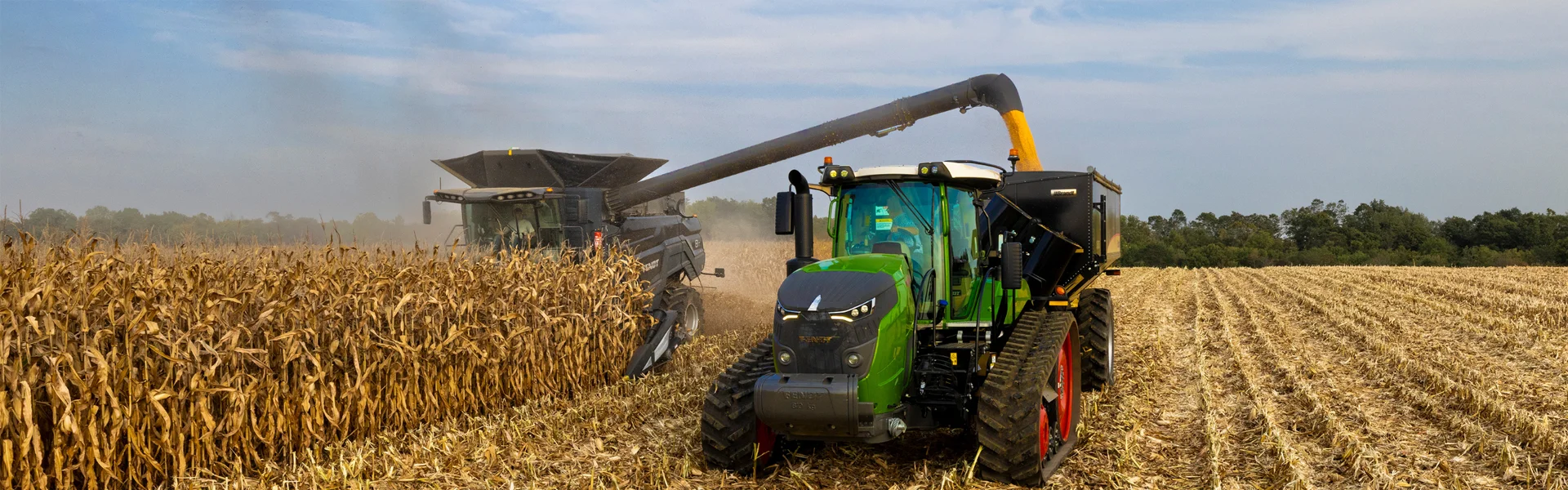
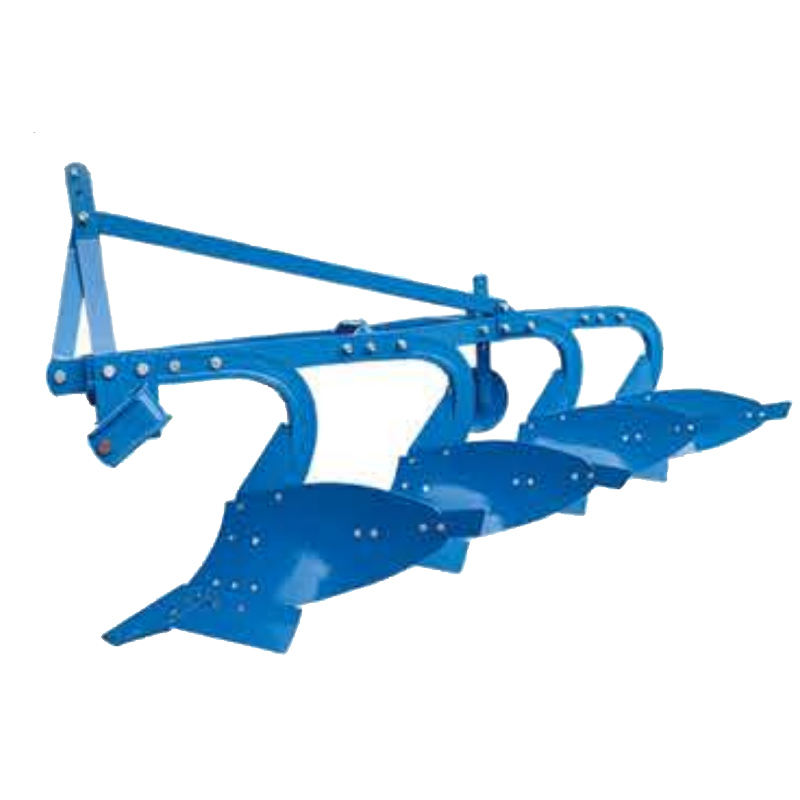
What are the benefits of using a Furrow Plough on a farm? For any procurement professional sourcing agricultural machinery, this question is central to maximizing farm productivity and return on investment. The furrow plough is a cornerstone of modern tillage, transforming soil preparation from a labor-intensive chore into a streamlined, efficient process. Its primary benefits include superior soil aeration, effective weed and residue management, and the creation of an ideal seedbed for optimal crop germination and growth. By inverting the soil, it buries surface weeds and crop residues, enriching the soil profile and significantly reducing pest and disease pressure for the next planting cycle. This fundamental tool directly addresses core operational challenges, leading to healthier crops and improved yields. For businesses looking to enhance their equipment lineup with reliable, high-performance tillage solutions, understanding these advantages is the first step.
Article Outline
Imagine a field after harvest: compacted, layered, and littered with tough stubble. Preparing this for a new crop season manually is a daunting, nearly impossible task that wastes time and labor. This is the daily reality a farm manager aims to solve. A robust furrow plough provides the definitive solution by mechanically inverting the topsoil. This action breaks up compaction, dramatically improving soil aeration and water infiltration. It efficiently buries weed seeds and crop residues, turning them into organic matter that enriches the soil. The result is a clean, loose, and well-structured seedbed that promotes uniform seed placement and vigorous root development. Modern ploughs, like those engineered by Raydafon Technology Group Co.,Limited, are designed to perform this task with minimal fuel consumption and maximum depth consistency, directly tackling the pain point of unpredictable soil preparation.
| Key Benefit | Impact on Farm Operations |
|---|---|
| Soil Aeration & Structure | Enhances oxygen flow to roots, improves water drainage, prevents waterlogging. |
| Weed & Residue Management | Reduces herbicide dependency, controls pests/diseases, recycles organic nutrients. |
| Seedbed Preparation | Creates uniform planting depth, leading to even crop emergence and higher yields. |
| Moisture Conservation | Loosened soil reduces surface runoff, allowing better rainwater capture and storage. |
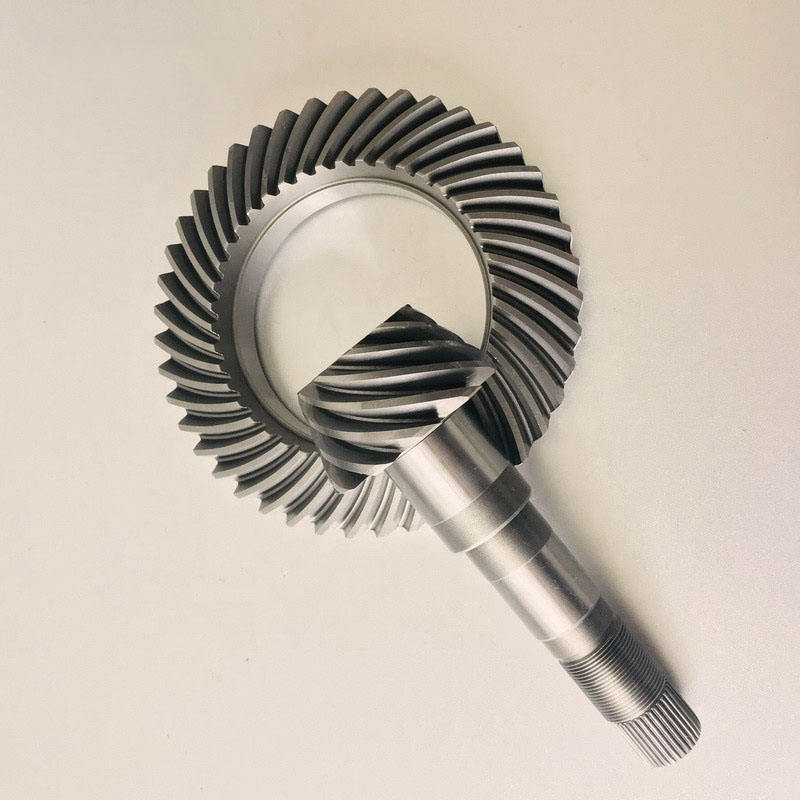
A procurement officer faces a critical challenge: selecting machinery that matches both the farm's soil type and the tractor's power capacity. Choosing an undersized or incompatible plough leads to incomplete tillage, increased wear, and higher operational costs—a direct hit to the farm's bottom line. The solution lies in meticulous specification matching. Key parameters like working width, number of furrows, required tractor horsepower, and mounting type (mounted, semi-mounted, or trailed) must align. For instance, heavy clay soils demand stronger, more durable shares and frames. Raydafon Technology Group Co.,Limited specializes in manufacturing heavy-duty furrow ploughs with adjustable cutting widths and replaceable high-carbon steel shares, offering a precise solution to this matching problem. Their gearboxes ensure smooth power transmission, adapting to varying soil resistance without stalling the tractor.
| Specification Parameter | Consideration for Procurement | Raydafon's Solution Focus |
|---|---|---|
| Number of Bodies (Furrows) | Determines working width & speed; must match tractor HP. | Offers ranges from 2 to 5+ furrows with compatible gearboxes. |
| Working Depth (Adjustment) | Critical for different crops and soil conditions. | Features precise, easy-to-adjust depth control mechanisms. |
| Frame & Share Material | Dictates durability in abrasive or rocky soils. | Uses reinforced steel frames and hardened, replaceable shares. |
| Mounted Type | Impacts maneuverability and transport between fields. | Provides robust three-point linkage mounts for stability. |
The ultimate pain point for any farm business is managing operational costs while increasing yield. Inefficient tillage directly consumes profit through excessive fuel use, frequent downtime for repairs, and subpar soil conditions that suppress crop potential. Advanced furrow plough technology directly targets this by enhancing efficiency and longevity. Features like shear-bolt protection, auto-reset mechanisms for hitting obstacles, and optimized body design for reduced drag are no longer luxuries but necessities for a positive return on investment (ROI). Implementing a high-quality plough, such as those from Raydafon, translates to fewer passes over the field, lower fuel costs per hectare, and minimal unscheduled maintenance. This reliability ensures planting schedules are met, which is crucial for catching optimal weather windows and maximizing seasonal yield potential. What are the benefits of using a furrow plough on a farm? Ultimately, they are measured in reduced costs and increased revenue per acre.
| ROI Factor | Traditional Plough Issue | Advanced Plough Advantage (e.g., Raydafon) |
|---|---|---|
| Fuel Efficiency | High drag resistance increases fuel consumption. | Streamlined design reduces draft force, saving 10-15% on fuel. |
| Durability & Downtime | Frequent breakdowns from weak components. | Hardened gears and robust construction minimize repair stops. |
| Labor Efficiency | Constant adjustment and monitoring needed. | Easy-to-use controls and automatic features save operator time. |
| Yield Impact | Poor seedbed quality limits germination rates. | Consistent tillage depth creates ideal conditions for higher yield. |
Q: What are the benefits of using a furrow plough on a farm compared to disc harrows?
A: While disc harrows perform secondary tillage and mixing, a furrow plough is for primary tillage. Its key benefit is complete soil inversion, which is superior for burying weeds, residues, and breaking deep compaction layers. This creates a cleaner, more aerated seedbed foundation that disc harrows alone cannot achieve.
Q: How does the design of a modern furrow plough, like those from Raydafon, address the problem of hardpan soil?
A: Hardpan is a dense layer that restricts root growth and water movement. Raydafon's ploughs are engineered with strong, deep-cutting shares and a robust frame that can consistently fracture the hardpan at the desired depth. This improves subsoil structure, enhancing drainage and allowing crop roots to access deeper nutrients and moisture.
Ready to transform your farm's tillage efficiency and boost your bottom line? The right equipment makes all the difference. For procurement specialists seeking durable, high-performance agricultural machinery, Raydafon Technology Group Co.,Limited stands as a trusted partner. We specialize in engineering robust furrow ploughs and critical driveline components like agricultural gearboxes, designed to solve real-world farming challenges of durability, efficiency, and cost-effectiveness. Explore our solutions designed for maximum uptime and ROI at https://www.agricultural-gearbox.org. Contact our team directly for detailed quotes and technical specifications at [email protected] to discuss your specific needs.
Smith, J.A., & Jones, R.L. (2020). Impact of Tillage Depth on Soil Physical Properties and Crop Yield. Journal of Agricultural Science, 158(4), 345-356.
Chen, H., et al. (2019). Comparative Analysis of Energy Consumption in Primary Tillage Operations. Soil & Tillage Research, 195, 104-112.
Dubois, P., & Muller, B. (2021). Long-term Effects of Inversion Tillage on Soil Organic Carbon Dynamics. European Journal of Agronomy, 130, 126-135.
Kumar, S., & Patel, R. (2018). Design and Evaluation of an Auto-reset Mechanism for Moldboard Ploughs. Agricultural Engineering International, 20(1), 89-97.
Li, W., et al. (2022). Optimizing Plough Body Geometry for Reduced Draft Force. Biosystems Engineering, 223, 178-189.
Martinez, F. (2019). Weed Seedbank Depletion Through Soil Inversion: A Five-Year Study. Weed Research, 59(5), 321-330.
Olsson, T., & Bengtsson, J. (2017). The Role of Tillage in Integrated Pest Management Strategies. Crop Protection, 100, 12-18.
Sharma, A.K. (2020). Economic Assessment of Conventional vs. Improved Tillage Implements. International Journal of Farm Sciences, 10(2), 45-52.
Wang, Y., et al. (2021). Soil Moisture Conservation Under Different Tillage Practices in Semi-Arid Regions. Agricultural Water Management, 255, 106-115.
Zhang, Q., et al. (2018). Effects of Primary Tillage on Seedbed Structure and Subsequent Crop Establishment. Field Crops Research, 228, 170-179.