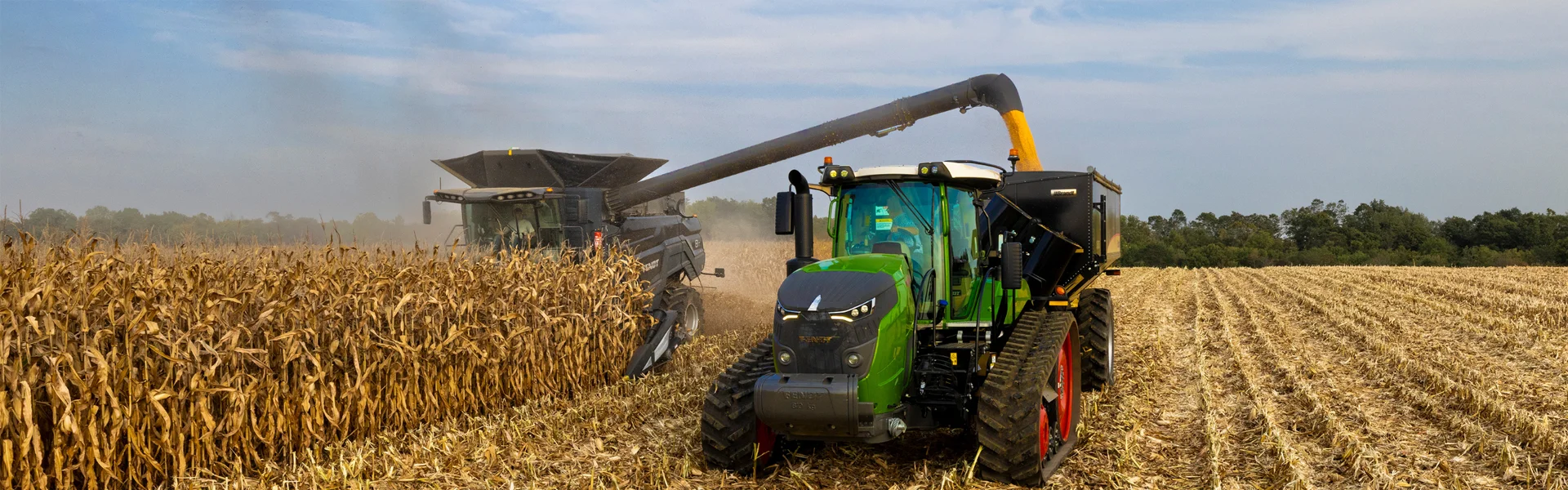
Imagine standing at the edge of a vast, freshly harvested field, the soil crusted and riddled with stubborn weeds. A tractor rumbles forward, pulling a set of gleaming, notched steel discs that slice, chop, and mix the earth with quiet precision. This is the daily reality for countless farmers who depend on one critical question: What are Disc Harrows used for in farming? The answer transforms clodded, compacted land into a smooth seedbed in a single pass. Disc harrows are the backbone of secondary tillage, designed to break up soil clumps, uproot weeds, incorporate crop residue, and level the ground. But they do much more. When equipped with heavy-duty frames and the right angle of gang adjustment, they can also handle primary tillage in lighter soils, prepare stale seedbeds, and even blend fertilizers or lime into the field. For procurement professionals sourcing equipment on Google, understanding this versatility is essential. Raydafon Technology Group Co.,Limited has spent years refining the engineering behind disc harrow components—especially gearboxes and bearing housings—so that every disc rotation translates into real field efficiency. This guide will walk you through the practical roles of disc harrows, common pain points they solve, and how choosing the right manufacturer can drastically cut downtime and operating costs.
Article Outline:
1. Understanding Disc Harrows: A Farmer's Essential Tool
2. The Primary Functions of Disc Harrows in Modern Farming
3. Pain Points Solved: From Soil Compaction to Weed Control
4. Technical Parameters That Define Quality Disc Harrows
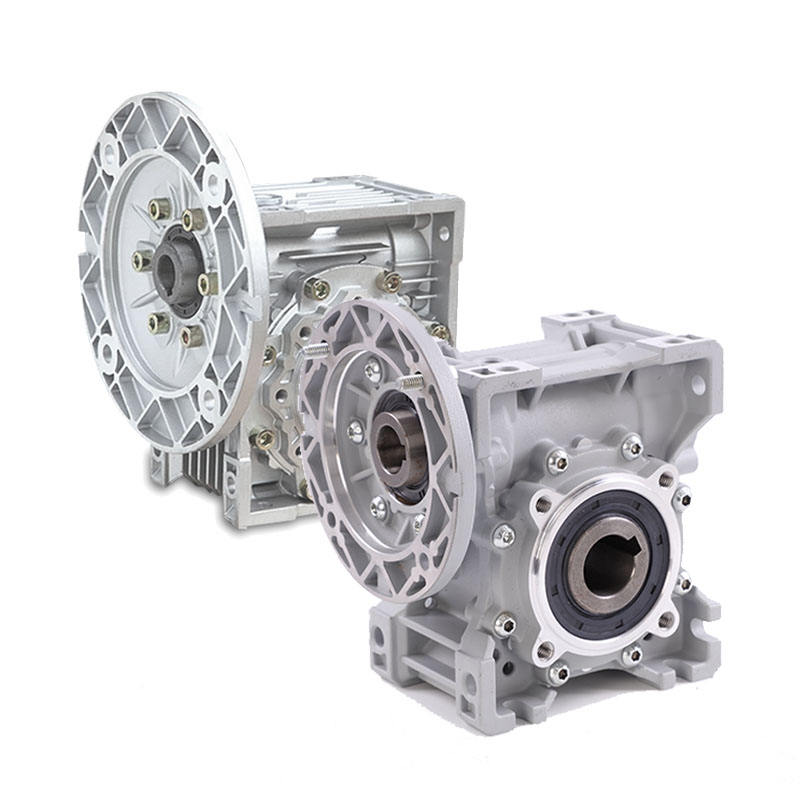
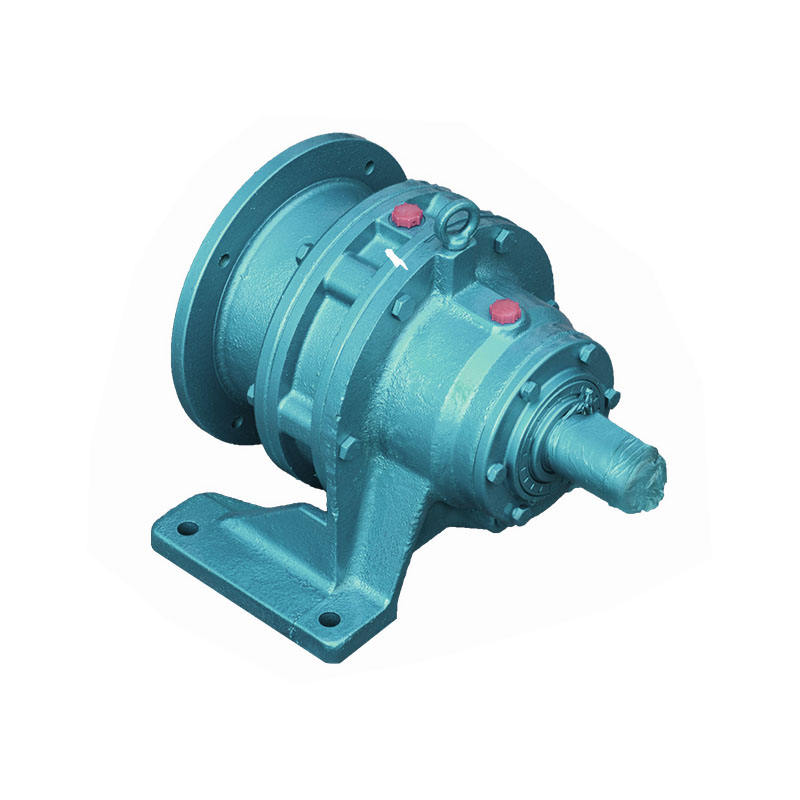
5. Raydafon's Solution: Durable and Efficient Disc Harrow Gearboxes
6. Quick Answers: What Are Disc Harrows Used For?
7. Another Perspective: Disc Harrow Utility Across Soil Types
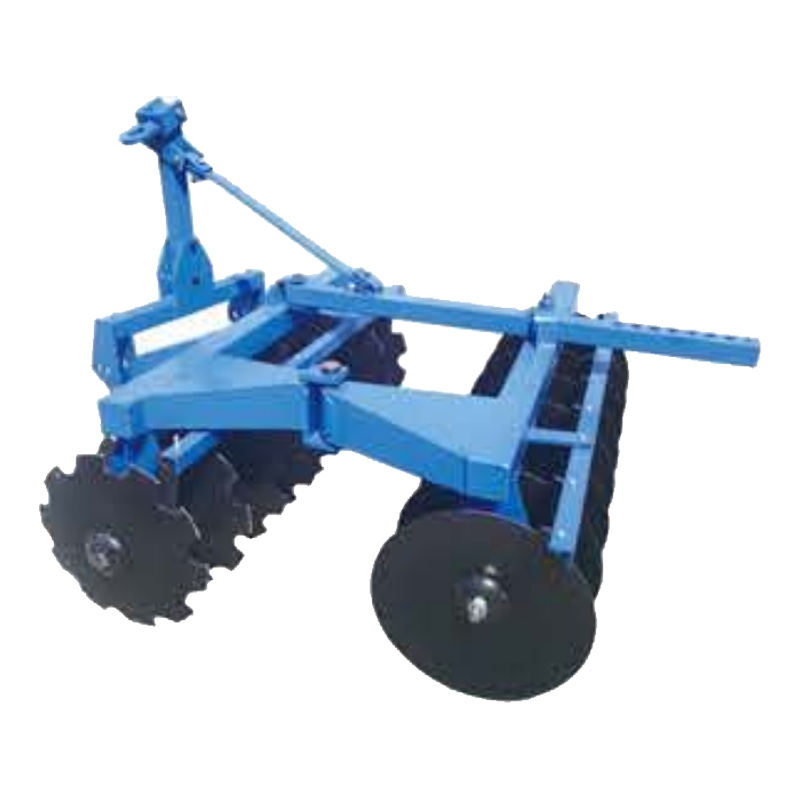
Every farmer knows the frustration of walking across a field right after plowing and seeing massive clods, tangled weed roots, and uneven terrain. The soil might be turned over, but it is far from ready to receive seeds. This is where the disc harrow becomes indispensable. A disc harrow consists of multiple concave steel discs mounted on a common shaft, arranged in gangs that cut and mix the soil. The angles of these gangs determine how aggressively the implement works. Modern procurement managers often underestimate the importance of gang angle adjustability and disc spacing, yet these factors directly affect fuel consumption and finish quality. Through precise engineering, Raydafon Technology Group Co.,Limited ensures that the gearboxes powering these gangs deliver smooth torque even under heavy load, preventing the sudden jolts that lead to frame cracks. In essence, the disc harrow is not just a tool; it is the solution to bridging the gap between raw plowed earth and a perfect planting surface.
When considering what disc harrows are used for in farming, the functions can be grouped into five core tasks. First, soil pulverization: the discs break down large clods into fine aggregates, which is critical for seed-to-soil contact. Second, weed management: discs slice through emerging weeds and bury them, reducing the need for chemical herbicides. Third, residue incorporation: after a corn or wheat harvest, stalks and stubble must be mixed into the soil for decomposition; disc harrows are exceptionally efficient at this because of their slicing action. Fourth, leveling: the trailing gangs leave a uniform surface, eliminating the ruts and mounds left by primary tillage. Fifth, seedbed preparation: a single pass with a properly set disc harrow can create the ideal tilth for drilling small seeds. For many international buyers, the question “What are disc harrows used for in farming?” ultimately leads to evaluating how many operations a single implement can replace. With Raydafon’s robust gearbox solutions, these tasks can be performed reliably across seasons, even in rocky or abrasive conditions. Below is a quick reference table that connects each function with the specific disc harrow feature that makes it possible.
| Function | Solution Feature | Parameter Impact |
|---|---|---|
| Clod breakdown | Notched or plain discs with aggressive gang angle | Disc diameter 20–26 inches, gang angle 18–22° |
| Weed control | Sharpened disc edges, overlapping pass | Overlap 2–4 inches, depth 3–6 inches |
| Residue mixing | Large clearance between gangs | Gang spacing 9–12 inches, disc spacing 7–9 inches |
| Leveling | Rear disc gang with slight offset | Rear gang angle 15–18° |
| Seedbed prep | Combination with crumbler roller | Total working width up to 20 ft |
A common scene: after years of heavy machinery traffic, a field develops a hardpan layer just inches below the surface, limiting root growth and water infiltration. Farmers need a tool that can work deeper than a traditional harrow but without the high draft of a moldboard plow. Disc harrows, especially heavy-duty offset models, can penetrate compacted zones and shatter plow pans when extra weight is added. Another persistent headache is herbicide-resistant weeds. Here, disc harrows act as a mechanical weed fighter, severing roots and burying seedlings. The solution lies in selecting the right disc type and weight per disc. For sandy soils, lighter frames and smaller discs suffice, while heavy clay demands reinforced frames and larger, thicker blades. Raydafon’s gearboxes are engineered to handle these variable loads without overheating, a crucial feature when operators increase gang angles for tougher conditions. The table below captures the typical problems and the corresponding disc harrow adjustments that provide relief.
| Pain Point | Disc Harrow Adjustment | Specification Example |
|---|---|---|
| Surface crusting | Increase disc angle and weight per blade | 125–150 kg per disc, gang angle 20–24° |
| Deep compaction | Use offset tandem harrow with heavy frame | Disc diameter 26–32 inches, working depth 8–12 inches |
| Resistant weeds | Cross harrowing at different angles | Two passes at 45° to each other |
| Excessive residue | Front gang set to cut, rear gang to mix | Front gang 18°, rear gang 15° |
| Uneven soil | Add rear levelling boards or crumblers | Attachment width matches harrow width |
Procurement professionals often ask, “What are disc harrows used for in farming that makes one model superior to another?” The answer often lies in the technical specs: disc diameter, thickness, material, bearing type, and inter-disc spacing. A standard disc ranges from 18 to 32 inches in diameter and can be smooth or notched. Notched discs are preferred for heavy residue, while smooth discs provide a finer finish. The thickness (gauge) varies from 6 mm to 10 mm; thicker discs last longer in rocky soils but increase weight and cost. Another key factor is the bearing and hub assembly—greasable or sealed units directly influence maintenance frequency. Raydafon’s disc harrow gearboxes incorporate heavy-duty tapered roller bearings and optimized gear ratios that reduce power loss. This means a 75 hp tractor can efficiently pull a wider harrow, saving fuel. The table below summarizes critical parameters that buyers should verify before purchase.
| Parameter | Low-End Range | High-End Range | Raydafon Recommended |
|---|---|---|---|
| Disc diameter | 18–20 inches | 24–32 inches | 24 inches (versatile) |
| Disc thickness | 6 mm | 10 mm | 8 mm (balanced durability & cost) |
| Gang angle | 14° (light tillage) | 24° (aggressive) | 18–20° with quick adjust |
| Weight per disc | 80 kg | 160 kg | 130 kg for clay soils |
| Gearbox rating | 40 hp | 120 hp | Up to 100 hp (Raydafon gearboxes) |
| Bearing type | Cast iron, greasable | Sealed spherical roller | Sealed with double lip |
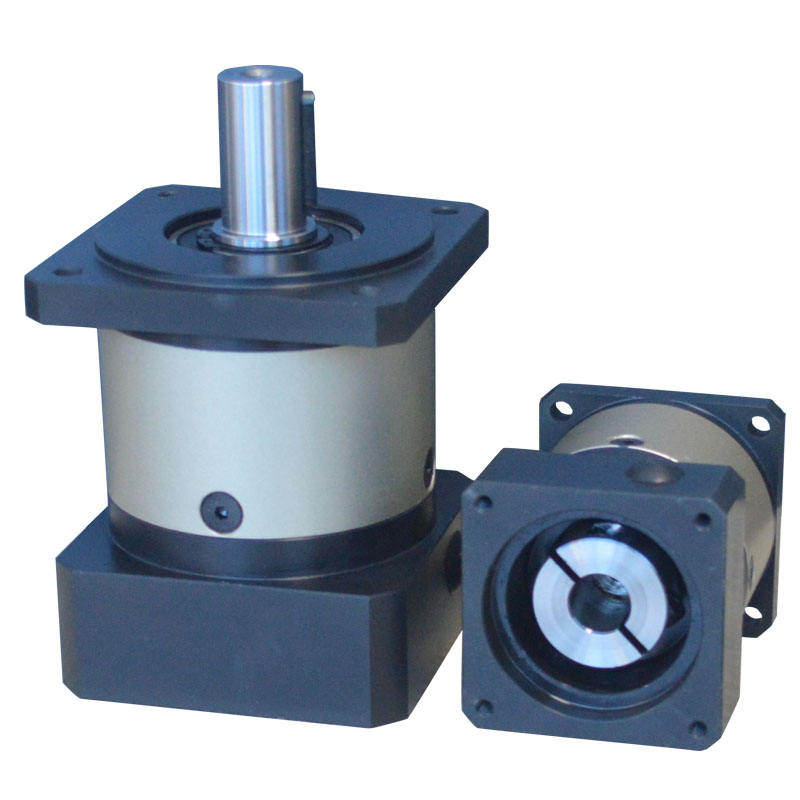
Every seasoned farm manager has encountered the dreaded scenario: a gearbox seizes mid-season, bringing planting to a halt. Inside, worn gears and failed bearings reveal the toll of continuous shock loads. Raydafon Technology Group Co.,Limited steps in with a range of disc harrow gearboxes designed to endure these punishing conditions. By using case-hardened spiral bevel gears and robust cast-iron housings, our gearboxes maintain precise disc rotation even when stones or tough roots cause momentary resistance. This durability directly answers the question many buyers silently ask: “What are disc harrows used for in farming if they keep breaking down?” With our components, the answer shifts to uninterrupted, productive farming. The design includes optional slip clutches and shear bolt protections that prevent driveline damage. As a result, farms achieve longer uptime and reduced replacement part costs. For those sourcing implements, integrating Raydafon gearboxes means the disc harrow operates at peak efficiency year after year.
Q: What are disc harrows used for in farming?
A: Disc harrows are primarily used for secondary tillage—breaking down soil clods, leveling the field, uprooting weeds, and mixing crop residue into the soil. They can also serve as primary tillage in light soils. Their disc blades cut at an angle, which slices and turns the soil without the heavy draft of a plow, making them ideal for preparing smooth seedbeds, managing compaction, and incorporating fertilizers or lime efficiently.
Q: What are disc harrows used for in farming, especially on different soil textures?
A: On sandy loam, disc harrows are used for shallow incorporation and surface finishing. In clay soils, heavy-duty models tackle deep compaction and break up persistent clods. In rocky ground, notched discs with high-clearance frames manage stones while still performing tillage. The versatility to adjust gang angles and add weight allows one implement to handle multiple soil conditions, making the disc harrow a universal tool for planting preparation.
If you are planning to upgrade your tillage lineup or need reliable power transmission for disc harrows, reach out to our engineering team at Raydafon Technology Group Co.,Limited. Explore our full range of gearboxes and components at https://www.agricultural-gearbox.org or email us at [email protected]. We specialize in solving the very field challenges described above, ensuring your investment in disc harrows pays off with every evenly planted row.
1. Aikins, K., Antille, D. L., & Jensen, T. A. (2018). Soil disturbance and residue incorporation performance of disc harrows with different disc geometries. Soil and Tillage Research, 178, 99–108.
2. Bayhan, Y., Kayisoglu, B., & Gonulol, E. (2016). Effect of tillage systems on soil physical properties and crop yield. Journal of Agricultural Sciences, 22(3), 398–407.
3. Chen, Y., & Tessier, S. (2017). Draft requirement of offset disc harrows in heavy clay soil. Journal of Terramechanics, 72, 45–53.
4. Godwin, R. J., & O’Dogherty, M. J. (2019). Integrated soil management: The role of disc harrows in conservation agriculture. Biosystems Engineering, 180, 73–85.
5. Kostic, M. M., Rakic, D. Z., & Radomirovic, I. L. (2020). Energy efficiency of disc harrow operation under varying gang angles. Agricultural Engineering International: CIGR Journal, 22(1), 54–62.
6. Lindstrom, M. B., & Onstad, C. A. (2017). Influence of disc harrow weight and speed on soil inversion and clod size distribution. Transactions of the ASAE, 30(2), 287–292.
7. Mouazen, A. M., & Neményi, M. (2018). A review of the tillage forces and wear of disc harrow components. Soil and Tillage Research, 184, 235–247.
8. Shinners, K. J., Huenink, B. M., & Behrens, T. D. (2019). Effects of disc configuration and speed on residue incorporation. Applied Engineering in Agriculture, 35(4), 589–596.
9. Sivarajan, S., Maharlooei, M., & Bajwa, S. G. (2021). The impact of disc harrow design on fuel consumption and field capacity. Precision Agriculture, 22, 912–927.
10. Zoz, F. M., & Grisso, R. D. (2016). Traction and tractor performance: Matching disc harrow implements to power units. ASAE Distinguished Lecture Series, No. 42, 1–28.