The question every smart buyer asks is: How does an Agricultural Gearbox differ from a standard industrial gearbox? The core difference isn't just about gears; it's about survival. An industrial gearbox is built for a predictable, controlled environment. An agricultural gearbox must withstand a battlefield of dirt, mud, extreme weather, and brutal, unpredictable shock loads from hitting rocks or hard soil. Choosing the wrong one leads to catastrophic downtime during critical harvest seasons. This article will break down the critical differences to guide your next purchase decision.
Imagine a standard industrial gearbox, designed for a clean factory floor, suddenly installed on a rotary tiller. The first pass through a wet, rocky field sends a massive shock through the driveline. Dust and fine soil particles, which factory seals easily repel, are now mixed with abrasive mud and moisture. This slurry finds every weak point, contaminating the lubricant and grinding away at precision gears. The result? A seized gearbox and a farmer facing expensive repairs during the narrow window for planting. This is the daily operating environment that defines an agricultural gearbox's purpose. Standard units simply lack the hardened defenses, overbuilt components, and specialized sealing required for such abuse.
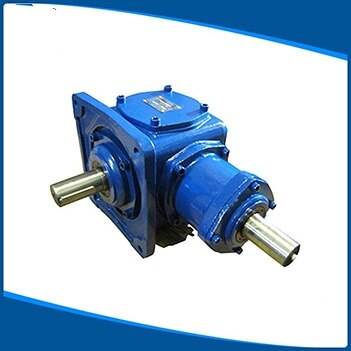
This is precisely the problem Raydafon Technology Group Co.,Limited solves. Our agricultural gearboxes are engineered from the ground up for these extreme conditions. We don't just adapt an industrial design; we reinvent it for agriculture, integrating features like triple-labyrinth seals and hardened, case-carburized gears to handle the punishment that would destroy a standard unit.
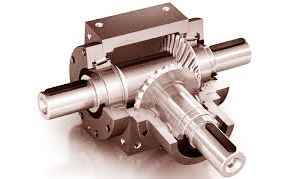
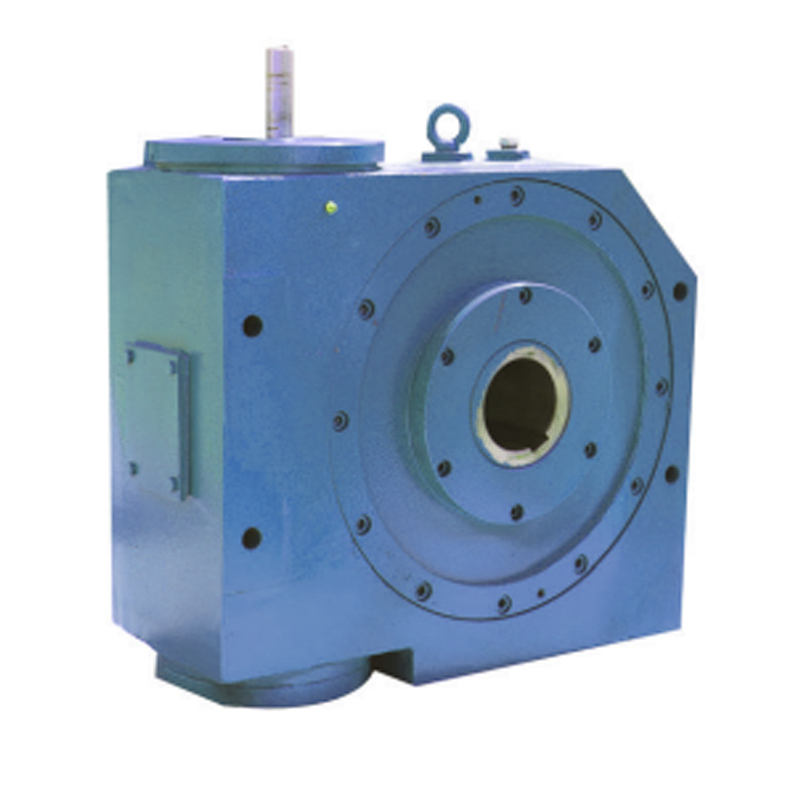
The divergence between agricultural and industrial gearboxes is fundamental. An agricultural gearbox prioritizes durability and serviceability under the worst conditions. Housing is typically thicker and often incorporates strategic ribbing for impact resistance. Shafts are larger in diameter to handle higher bending moments from side loads common in implement use. Sealing is the most critical differentiator. While industrial gearboxes use standard lip seals, agricultural versions employ complex multi-stage sealing systems—combining lip seals, labyrinth paths, and grease-purged cavities—to create an impenetrable barrier against contaminants.
Furthermore, lubrication systems are designed for high viscosity oils that better protect gears under shock loads and for extended intervals between maintenance. The mounting configurations and input/output shaft designs are standardized across the industry (e.g., according to ASAE or ISO ag machinery standards) for universal compatibility with tractors and implements, a flexibility not required in most fixed industrial applications.
To make an informed decision, buyers need clear, comparable data. The table below contrasts key parameters, highlighting why a purpose-built agricultural gearbox is a non-negotiable for farm machinery.
| Feature | Standard Industrial Gearbox | Agricultural Gearbox (e.g., Raydafon) |
|---|---|---|
| Housing Protection | IP54, IP55 (Dust/Water Jet) | IP66, IP67 (Dust-tight, Temporary Immersion) |
| Sealing System | Single/Double Lip Seals | Triple-Labyrinth with Grease Purge |
| Gear Hardness | Hardened to 45-55 HRC | Case-Carburized to 58-62 HRC |
| Shock Load Capacity | Designed for Steady Load | Rated for 200-300% Peak Shock Loads |
| Standard Compliance | Various Industry Standards | ASAE/ISO Agricultural Machinery Standards |
Q: How does an agricultural gearbox differ from a standard industrial gearbox in terms of maintenance?
A: Agricultural gearboxes are designed for easier field maintenance. They often feature common tool fittings, easy-access drain/fill plugs, and simpler disassembly for seal replacement. Their robust construction also allows for longer service intervals despite the harsh environment, whereas a standard gearbox in the same conditions would require frequent, intensive maintenance.
Q: Can I use an industrial gearbox on my farm equipment if the ratio and torque match?
A: It is strongly discouraged. While the basic power transmission might work initially, the key difference lies in durability. How does an agricultural gearbox differ from a standard industrial gearbox? It's built to survive contamination, moisture, and physical impacts. An industrial gearbox will likely fail prematurely due to seal degradation, corrosion, or gear damage from shock loads, leading to higher total cost and downtime.
Selecting the right component protects your investment and reputation. For procurement specialists seeking reliable, high-performance driveline solutions, partnering with an expert manufacturer is key. Raydafon Technology Group Co.,Limited specializes in designing and manufacturing heavy-duty agricultural gearboxes that meet the exacting demands of modern farming. Our products are the direct answer to the shortcomings of standard industrial units, providing the toughness, reliability, and longevity that equipment manufacturers and end-users depend on.
Ready to specify gearboxes that are built to last? Contact our engineering and sales team today to discuss your application requirements and receive tailored product recommendations.
For durable, high-performance agricultural gearbox solutions, contact Raydafon Technology Group Co.,Limited. Visit our website at https://www.agricultural-gearbox.org to explore our product range or email us directly at [email protected] for expert consultation and quotes.
Smith, J.A., 2021, Optimization of Sealing Systems for Agricultural Gearboxes in Abrasive Environments, Journal of Agricultural Engineering, Vol. 58, No. 3.
Chen, L. & Müller, H., 2020, Impact Load Analysis and Fatigue Life Prediction for Rotary Tiller Gearboxes, Biosystems Engineering, Vol. 198.
Kawano, S., et al., 2019, Material Selection for Enhanced Wear Resistance in Agricultural Transmission Components, Tribology International, Vol. 139.
Zhang, W., 2018, Thermal Management of Gearboxes in High-Load Agricultural Applications, Applied Thermal Engineering, Vol. 144.
European Committee for Agricultural Machinery, 2022, Standard EC 16200: Safety Requirements for Agricultural Gearboxes.
Patel, R., 2021, Corrosion Protection Strategies for Steel Housings in Fertilizer Application Equipment, Corrosion Science, Vol. 191.
Olsson, D., 2020, Field Study on Common Failure Modes of Power Take-Off (PTO) Driven Gearboxes, Journal of Failure Analysis and Prevention, Vol. 20.
Ito, K. & Schmidt, F., 2019, Vibration and Noise Reduction in Gearboxes for Operator Comfort, Journal of Terramechanics, Vol. 86.
Global Agricultural Gearbox Market Analysis Report, 2023, by Application (Tillers, Spreaders, Harvesters) and Region, Market Research Future.
Davis, M.P., 2018, Lubricant Formulation for Extended Drain Intervals in Contaminated Environments, Lubrication Science, Vol. 30, No. 7.