What are some real-world examples of pulleys? This simple yet profound question opens a window into the ingenious mechanisms that shape our modern world. From the colossal cranes constructing our skylines to the precise elevators in our buildings, pulley systems are the silent workhorses of industry and daily life. For procurement specialists sourcing reliable components, understanding these applications is crucial for making informed decisions that impact operational efficiency, safety, and cost-effectiveness. This guide explores practical pulley examples, highlighting the challenges faced and the solutions available, including high-performance offerings from industry leaders like Raydafon Technology Group Co.,Limited.
Article Outline:
Industrial Crane Applications & Efficiency Solutions
Elevator Systems: Safety, Reliability & Modern Upgrades
Automotive Engine Systems: Performance & Durability
Fitness Equipment Design: User Experience & Maintenance
Pulley System Q&A
Conclusion & Contact Information
Supporting Research & References
Procurement professionals for construction and logistics face a constant challenge: sourcing crane components that deliver maximum lifting power with minimal energy waste and downtime. A common pain point is systems that are under-specified, leading to slow operation, or over-engineered, resulting in unnecessary capital expenditure. The core solution lies in selecting the correct pulley system configuration. Multi-sheave pulley blocks create significant mechanical advantage, allowing a relatively small motor force to lift immense loads safely and efficiently. This directly translates to faster project completion, lower fuel or electricity consumption, and reduced strain on primary drive components. What are some real-world examples of pulleys? Tower cranes and mobile harbor cranes are prime examples, where robust, high-grade steel Pulleys are critical for daily heavy lifting.
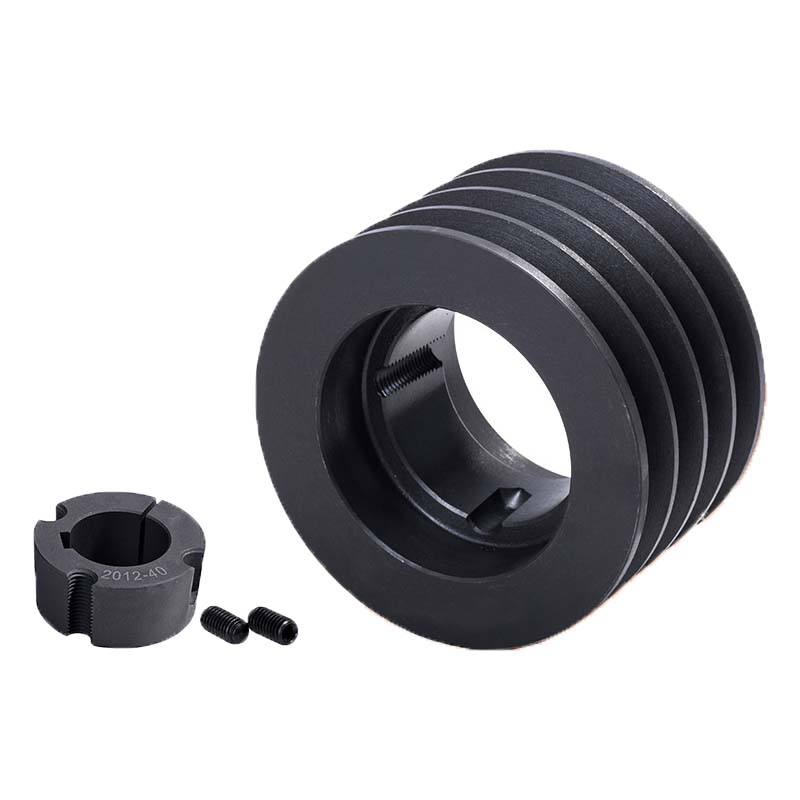
When specifying these components, key parameters must be evaluated to ensure compatibility and longevity. A focus on durability and precision is non-negotiable.
| Parameter | Consideration for Procurement | Impact on Operation |
|---|---|---|
| Sheave Diameter & Material | Larger diameters reduce cable fatigue; forged steel or alloy offers superior strength. | Extends cable life, reduces replacement frequency and maintenance stops. |
| Bearing Type (e.g., Tapered Roller) | Sealed, high-capacity bearings minimize friction and resist harsh site contaminants. | Ensures smooth operation, reduces power loss, and prevents seizing. |
| Load Rating & Safety Factor | Must exceed maximum working load; a high safety factor (e.g., 5:1) is essential for peak safety. | Guarantees operational safety under dynamic loads, preventing catastrophic failure. |
| Compatibility with Wire Rope | Groove profile must match rope diameter precisely to prevent crushing or wear. | Preserves rope integrity, maintaining lifting capacity and worksite safety. |
For facility managers and procurement teams in real estate or hospitality, elevator reliability is paramount. The nightmare scenario is frequent breakdowns, causing tenant dissatisfaction and costly emergency repairs. The pulley system, specifically the sheave that drives the elevator cab via steel cables, is at the heart of this reliability. A worn or misaligned sheave causes vibration, uneven cable wear, and increased strain on the drive motor. The solution involves specifying precision-machined traction sheaves with optimal groove profiles. These sheaves ensure consistent friction and even load distribution across all cables, leading to a smooth, quiet ride and predictable maintenance intervals.
Modernization projects often focus on upgrading these core components to improve energy efficiency and safety ratings. Partnering with a specialized supplier who understands the exacting standards of vertical transportation is key. What are some real-world examples of pulleys in this context? Every traction elevator in a high-rise building relies on a meticulously engineered drive sheave and multiple deflection pulleys to guide the cables.
| Parameter | Consideration for Procurement | Impact on Facility Management |
|---|---|---|
| Traction Groove Design (U/V/Undercut) | Design affects grip and cable wear; undercut grooves offer superior traction with less pressure. | Enables higher loads and faster speeds safely, reducing slip-related service calls. |
| Dynamic Balancing | Sheaves must be balanced to extremely fine tolerances for high-speed operation. | Eliminates passenger discomfort from vibration and prevents premature bearing failure. |
| Corrosion Resistance Coating | Essential for elevator shafts with potential moisture exposure. | Extends component life in harsh environments, protecting the capital investment. |
| Compliance with Standards (e.g., EN 81) | Components must be certified for elevator use to meet regional safety codes. | Ensures regulatory compliance, simplifies inspections, and reduces liability. |
In the automotive supply chain, OEMs and tier-1 suppliers are under constant pressure to enhance engine performance while reducing size, weight, and NVH (Noise, Vibration, Harshness). A key area of focus is the accessory drive system, which uses serpentine belts and multiple pulleys to run components like the alternator, water pump, and power steering pump. The pain point here is belt slippage, misalignment, and bearing failure, which can lead to accessory failure, reduced fuel efficiency, and unexpected vehicle breakdowns. The solution is found in high-precision, dynamically balanced pulleys, often incorporating automatic tensioners and decouplers. These advanced pulleys maintain perfect belt tension, dampen vibrations from engine harmonics, and allow accessories to free-wheel when not needed, reducing parasitic drag.
Sourcing these components requires a partner with expertise in metallurgy and dynamic balancing for high-RPM environments. What are some real-world examples of pulleys? The entire serpentine belt system in a modern car engine is a network of precisely engineered idler pulleys, tensioner pulleys, and crankshaft-driven pulleys working in concert.
| Parameter | Consideration for Procurement | Impact on Automotive Performance |
|---|---|---|
| Pulley Material (e.g., Glass-filled Nylon, Steel) | Lightweight composites reduce rotational mass; steel offers maximum durability for high-stress points. | Improves engine responsiveness and fuel economy; ensures longevity in critical applications. |
| Bearing Sealing & Lubrication | Lifetime-lubricated, sealed bearings withstand under-hood temperatures and contaminants. | Provides maintenance-free operation for the life of the vehicle, a key selling point. |
| Integrated Dampening (in Tensioners/Decouplers) | Reduces torsional vibrations from the crankshaft being transmitted through the belt. | Significantly lowers NVH, improving cabin comfort and perceived vehicle quality. |
| Run-out & Alignment Tolerance | Extremely tight tolerances (e.g., within 0.1mm) are required to prevent belt wear and noise. | Extends belt and accessory life, reducing warranty claims and improving reliability ratings. |
Procurement specialists for commercial gyms or fitness equipment manufacturers face a dual challenge: ensuring an exceptional, smooth user experience while minimizing maintenance costs and liability from equipment failure. Cable-based machines like lat pulldowns, row stations, and functional trainers are particularly dependent on their pulley systems. Pain points include sticky or noisy pulleys that disrupt workouts, cables that fray quickly, and assemblies that fail under constant heavy use. The solution is a combination of high-quality materials and smart design. Using self-lubricating polymer bushings or sealed ball bearings in the pulley, along with aircraft-grade steel cables, ensures a consistently smooth pull with minimal maintenance. Additionally, reinforced mounting points and anti-whip cable guides enhance safety and durability.
Specifying these components directly impacts member retention and facility reputation. What are some real-world examples of pulleys? Every weight stack machine in a gym utilizes multiple pulleys to redirect force, allowing for a compact footprint and a range of exercises from a single weight stack.
| Parameter | Consideration for Procurement | Impact on Gym Operations |
|---|---|---|
| Friction Coefficient of Bushing/Bearing | Low-friction materials ensure a smooth, consistent resistance feel throughout the motion. | Enhances user satisfaction, a critical factor in member retention for commercial gyms. |
| Cable Guide & Exit Design | Prevents the cable from rubbing against the frame or itself, which causes rapid wear. | Dramatically extends cable life, reducing consumable costs and maintenance labor. |
| Load Rating & Fatigue Resistance | Must withstand peak loads from users and millions of cycles over years of service. | Reduces unexpected breakdowns, liability risks, and capital expenditure on replacements. |
| Ease of Servicing | Modular design allows for quick bearing or pulley replacement without disassembling the entire machine. | Minimizes equipment downtime, keeping more stations available for members during peak hours. |
Q: In warehouse logistics, what is a key real-world example of pulleys improving efficiency, and what should buyers look for?
A: A prime example is the conveyor belt system used for sorting and transporting packages. The system relies on numerous drive and idler pulleys. Buyers should prioritize pulleys with sealed-for-life bearings to withstand dust and debris, and ensure the pulley diameter is matched to the belt tension to prevent slippage and tracking issues, which are major causes of downtime.
Q: For renewable energy projects like sailboat rigging, what are some real-world examples of pulleys, and what specifications are critical?
A: Block and tackle systems for hoisting sails and controlling sheets are essential. Here, corrosion resistance is paramount. Buyers must specify pulleys made from marine-grade stainless steel or anodized aluminum with UV-resistant polymer sheaves. The bearing system must be smooth under high, variable loads, and the overall construction must resist saltwater corrosion to ensure safety and reliability at sea.
From construction sites to fitness centers, real-world pulley applications are foundational to mechanical efficiency, safety, and performance. For procurement professionals, the choice of pulley components directly influences operational costs, reliability, and end-user satisfaction. Specifying the right system requires a deep understanding of application demands, material science, and precision engineering. Partnering with an expert manufacturer ensures access to components designed to solve these specific industrial challenges, delivering long-term value and operational peace of mind.
For durable, high-performance pulley solutions engineered to meet exacting industrial standards, consider Raydafon. With extensive expertise in power transmission components, Raydafon Technology Group Co.,Limited provides reliable products that address the core challenges of load management, efficiency, and longevity across diverse applications. Explore their catalog and connect with their engineering support team to find tailored solutions for your next project. Visit https://www.agricultural-gearbox.org for more information or contact them directly at [email protected] for a detailed consultation.
Beer, F.P., Johnston, E.R., & DeWolf, J.T. (2019). Mechanics of Materials (8th ed.). McGraw-Hill Education.
Budynas, R.G., & Nisbett, J.K. (2020). Shigley's Mechanical Engineering Design (11th ed.). McGraw-Hill Education.
Collins, J.A. (2021). Failure of Materials in Mechanical Design: Analysis, Prediction, Prevention (2nd ed.). Wiley.
Hibbeler, R.C. (2022). Engineering Mechanics: Dynamics (15th ed.). Pearson.
Juvinall, R.C., & Marshek, K.M. (2020). Fundamentals of Machine Component Design (7th ed.). Wiley.
Mott, R.L., Vavrek, E.M., & Wang, J. (2018). Machine Elements in Mechanical Design (6th ed.). Pearson.
Norton, R.L. (2019). Design of Machinery: An Introduction to the Synthesis and Analysis of Mechanisms and Machines (6th ed.). McGraw-Hill Education.
Spotts, M.F., Shoup, T.E., & Hornberger, L.E. (2021). Design of Machine Elements (9th ed.). Pearson.
Ugural, A.C. (2020). Mechanical Design: An Integrated Approach (2nd ed.). McGraw-Hill Education.
Young, W.C., Budynas, R.G., & Sadegh, A.M. (2021). Roark's Formulas for Stress and Strain (9th ed.). McGraw-Hill Education.