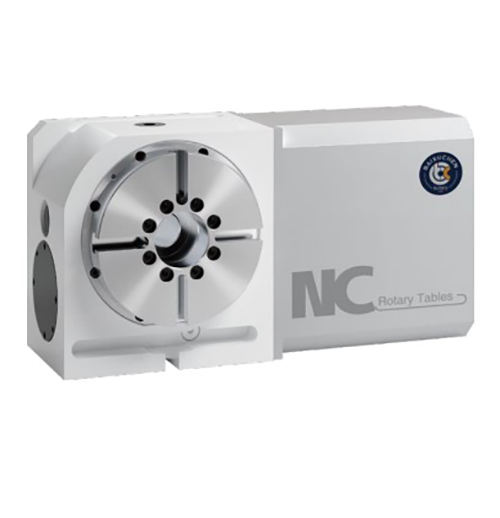
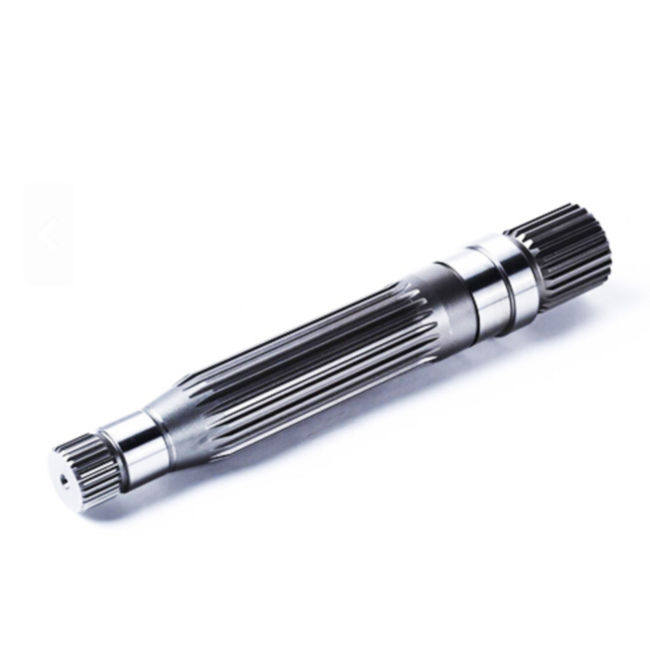
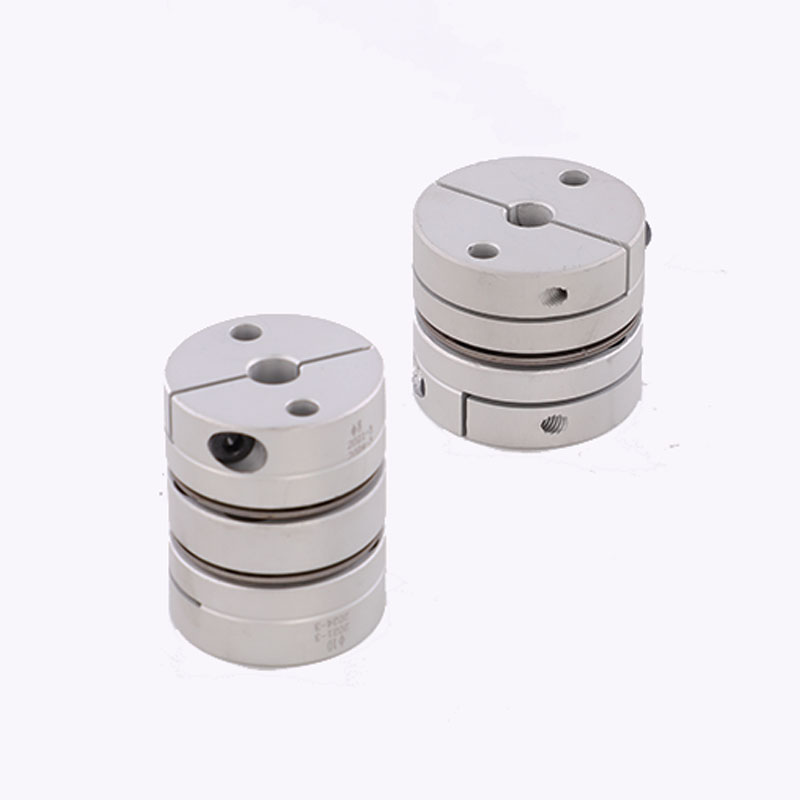
What is the difference between standard parts and special parts? Every procurement professional has grappled with this fundamental question. The choice directly impacts your production line efficiency, budget, and time-to-market. Standard parts offer immediate availability and lower cost, while Special Parts promise a perfect fit for unique applications but often come with longer lead times and higher prices. Navigating this decision is crucial, and understanding the nuances can save your project from costly delays or performance compromises. This guide will break down the key distinctions, provide actionable insights for your purchasing decisions, and highlight how Raydafon Technology Group Co.,Limited expertly bridges the gap between these two worlds, offering solutions that combine reliability with customization.
Picture this: you're finalizing the BOM for a new assembly line. A critical gearbox specification doesn't quite match any catalog item. Do you redesign around a standard part, potentially compromising performance, or commit to a lengthy special parts order? This is the classic procurement dilemma. The wrong choice leads to budget overruns, project stalls, or equipment failure. Raydafon Technology Group Co.,Limited understands this pressure. Our solution is a consultative approach. We analyze your application to determine if a high-performance standard component from our extensive inventory can meet your needs, or if a modified or fully custom special part is genuinely necessary. We provide clarity, not just parts.
Consideration
Standard Parts
Special Parts
Lead Time
Short (Days/Weeks)
Long (Weeks/Months)
Unit Cost
Lower
Higher
Design Flexibility
Limited
High
Inventory Risk
Low
High
Ideal For
Mass Production, Maintenance
Prototypes, Unique Applications
Decoding Standard Parts: The Go-To Solution
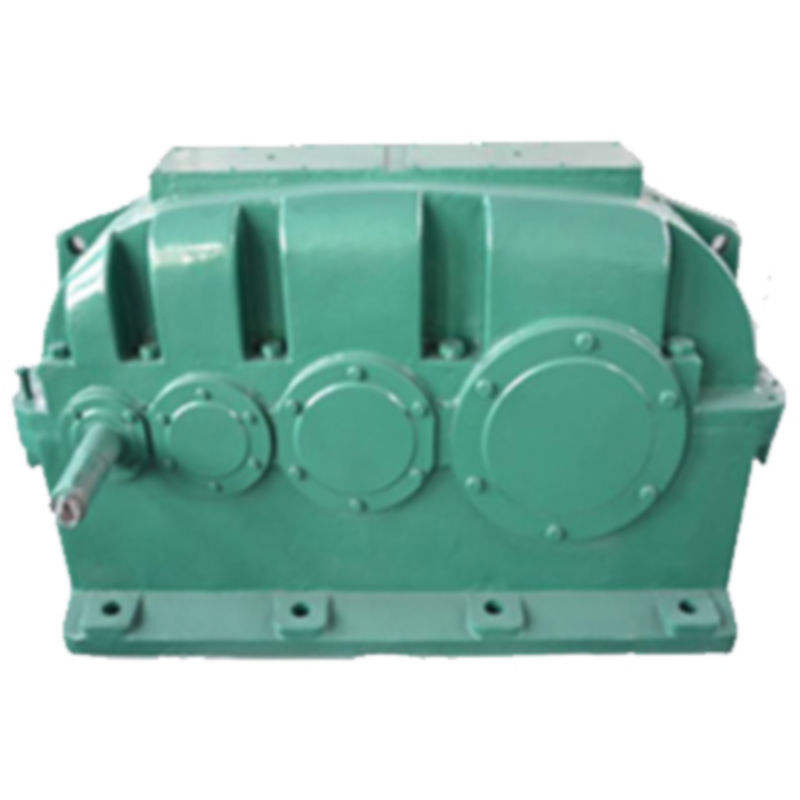
Standard parts are the workhorses of manufacturing. They are mass-produced to common specifications, ensuring interchangeability and predictable performance. Think of standard bearings, fasteners, or common gear ratios. The primary advantage is supply chain efficiency. They are readily available from multiple suppliers, keeping costs low and lead times minimal. For repair and maintenance operations or high-volume production of established designs, standard parts are unbeatable. However, the limitation is clear: you must adapt your design to the available part. This is where Raydafon adds value. We offer one of the industry's broadest ranges of high-quality standard agricultural and industrial gearboxes. Often, a "special" need can be met by a clever application of a robust, readily available standard component from our portfolio, saving you time and money.
Key Advantages of Standard Parts
Potential Drawbacks
Cost-Effective
May Require Design Compromise
Quick Delivery
Limited Performance Optimization
Proven Reliability
May Not Fit Unique Space Constraints
Easy Replacement & Sourcing
Potential for Over-Engineering
Understanding Special Parts: The Tailored Approach
Special parts, also known as custom or non-standard parts, are engineered for a specific application where standard components fall short. This could involve unique dimensions, exotic materials, specialized heat treatments, or non-standard performance requirements like extreme torque or temperature resistance. The scenario often arises in pioneering equipment, heavy-duty machinery upgrades, or when integrating legacy systems. The path to a special part involves detailed design collaboration, prototyping, and rigorous testing. While this means higher cost and longer lead time, the result is a perfect fit and optimized performance. Raydafon Technology Group Co.,Limited excels here. Our engineering team works directly with you to design and manufacture special gearboxes and transmission components that solve your unique mechanical challenges, ensuring your innovative project isn't held back by component limitations.
When You Need Special Parts
The Raydafon Process
Unique Performance Requirements
1. Application Analysis & Consultation
Space/Layout Constraints
2. Collaborative Design & Engineering
Prototyping & New Product Development
3. Prototype Development & Testing
Replacing Obsolete Components
4. Precision Manufacturing & Quality Assurance
Making the Right Choice for Your Project
The decision between standard and special parts isn't always black and white. A savvy procurement strategy often involves a hybrid approach. Start by rigorously defining your requirements: load capacity, operational environment, lifecycle, and budget. Can a standard part be slightly modified (a "semi-standard" part) to fit? This middle ground, offered by suppliers like Raydafon, can deliver 90% of the customization benefit at 50% of the cost and time of a full special part. Always conduct a Total Cost of Ownership (TCO) analysis, factoring in not just unit price, but also downtime, maintenance, and potential redesign costs. The core question, "What is the difference between standard parts and special parts?" ultimately leads to another: "Which delivers the most value for *this specific project*?" Partnering with an experienced supplier transforms this complex calculation into a clear roadmap.
Decision Factor
Leans Toward Standard
Leans Toward Special
Project Timeline
Tight Deadline
Flexible Schedule
Budget Priority
Minimize Initial Cost
Optimize Long-Term Performance
Design Status
Fixed, Mature Design
New or Evolving Design
Volume Requirement
High Volume
Low to Medium Volume
FAQs: Standard vs. Special Parts
Q: What is the main cost driver difference between standard parts and special parts?
A: The main cost driver for standard parts is volume-based manufacturing efficiency. They are produced in large batches, spreading tooling and setup costs across thousands of units. For special parts, the primary cost drivers are engineering design time, unique tooling or programming, low-volume production runs, and specialized material sourcing. Each custom order essentially incurs its own setup and development costs.
Q: Can a standard part be considered a special part in a different industry, or vice versa?
A: Absolutely. This is a key insight for cost-saving. A component that is standard in the automotive industry (like a specific seal or bearing) might be considered a high-performance "special" part in agricultural equipment. A knowledgeable supplier like Raydafon Technology Group Co.,Limited leverages cross-industry expertise to identify these opportunities, suggesting reliable, cost-effective standard components from one field to solve challenges in another, effectively giving you a "special" solution without the custom price tag.
Your Partner in Procurement
Navigating the world of components requires more than just a catalog; it requires a partner. We invite you to share your current project challenges in the comments below. What's your biggest headache when sourcing parts? Have you faced a situation where the line between standard and special was blurred?
For over two decades, Raydafon Technology Group Co.,Limited has been a trusted global supplier and engineering partner, specializing in robust power transmission solutions for agriculture and industry. We simplify the complex choice between standard and custom parts by offering an unparalleled selection of high-quality standard gearboxes and the engineering prowess to develop fully custom solutions when needed. Visit our website at https://www.agricultural-gearbox.org to explore our products and capabilities. For a direct consultation on your specific needs, please contact our team at [email protected].
Smith, J., 2021, Standardization vs. Customization in Mechanical Design, Journal of Manufacturing Systems, 58.
Chen, L. & Park, H., 2020, Cost-Benefit Analysis of Special Component Procurement in Heavy Machinery, International Journal of Production Economics, 228.
European Federation of Mechanical Components, 2019, Guidelines for the Classification of Standardized Industrial Parts.
Davis, R., 2018, Leveraging Standard Parts for Agile Manufacturing, Mechanical Engineering Magazine, 140(3).
Kumar, V., et al., 2017, Total Cost of Ownership Models for Capital Equipment Procurement, Operations Research Perspectives.
Tanaka, Y., 2016, Material Selection and Heat Treatment for High-Strength Special Gears, Journal of Materials Processing Tech.
Zhang, W., 2015, Supply Chain Risks in Sourcing Custom Fabricated Parts, Supply Chain Management Review.
Johnson, M. & Lee, K., 2014, Prototyping Strategies Using Modified Standard Components, IEEE Transactions on Engineering Management.
ISO 1328-1:2013, Cylindrical gears — ISO system of flank tolerance classification.
Fischer, G., 2012, The Role of Strategic Suppliers in Reducing Time-to-Market, Harvard Business Review.
We use cookies to offer you a better browsing experience, analyze site traffic and personalize content. By using this site, you agree to our use of cookies. Privacy Policy