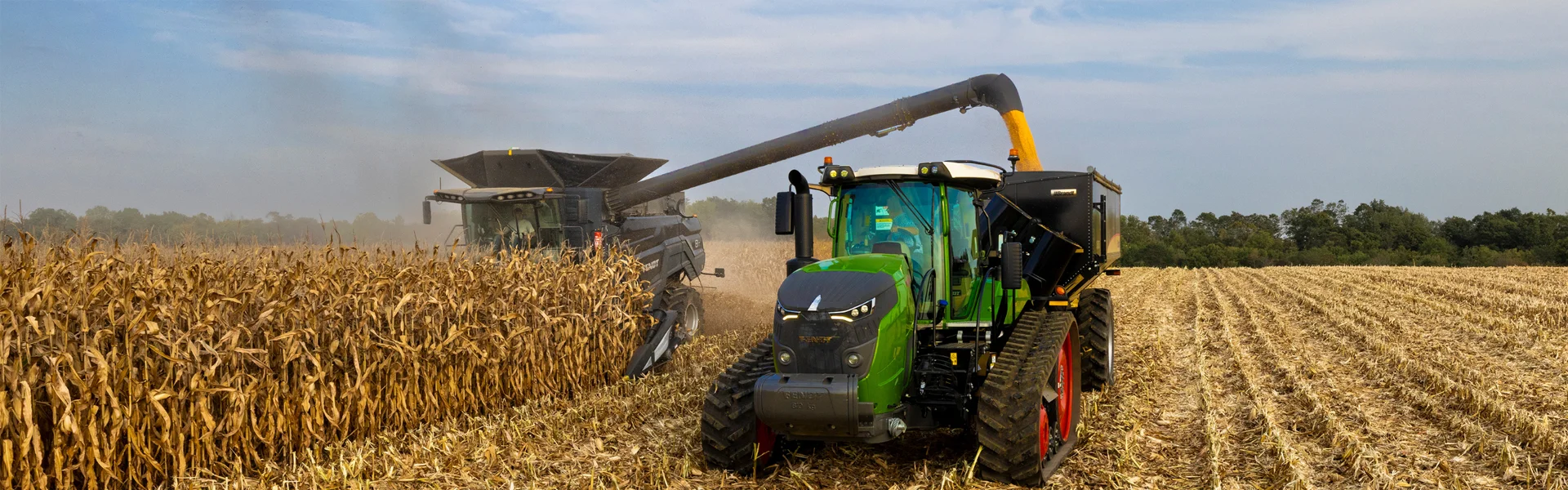
What are the latest technological advancements in harvesters? For procurement professionals navigating the global agricultural machinery market, this question is critical. The industry is undergoing a rapid transformation driven by autonomy, data, and precision. Beyond simply cutting crops, modern harvesters are becoming intelligent, interconnected data hubs on wheels. Understanding these innovations is no longer a luxury but a necessity for making informed purchasing decisions that impact operational efficiency and profitability. This guide breaks down the key technological leaps, translating complex engineering into actionable insights for your next procurement strategy.
Article Outline:
Procurement managers consistently face the pressure of maximizing machine uptime and fuel efficiency across vast fields. Unexpected breakdowns and suboptimal performance directly hit the bottom line. The latest advancements directly target these pain points through enhanced automation and drivetrain intelligence. Modern harvesters now integrate AI-powered vision systems that automatically adjust header height and reel speed in real-time for varying crop conditions, reducing grain loss. Furthermore, sophisticated engine and transmission management systems optimize power delivery based on the actual load, significantly cutting fuel consumption. For professionals sourcing these machines, prioritizing models with these integrated smart systems is key to delivering long-term value.
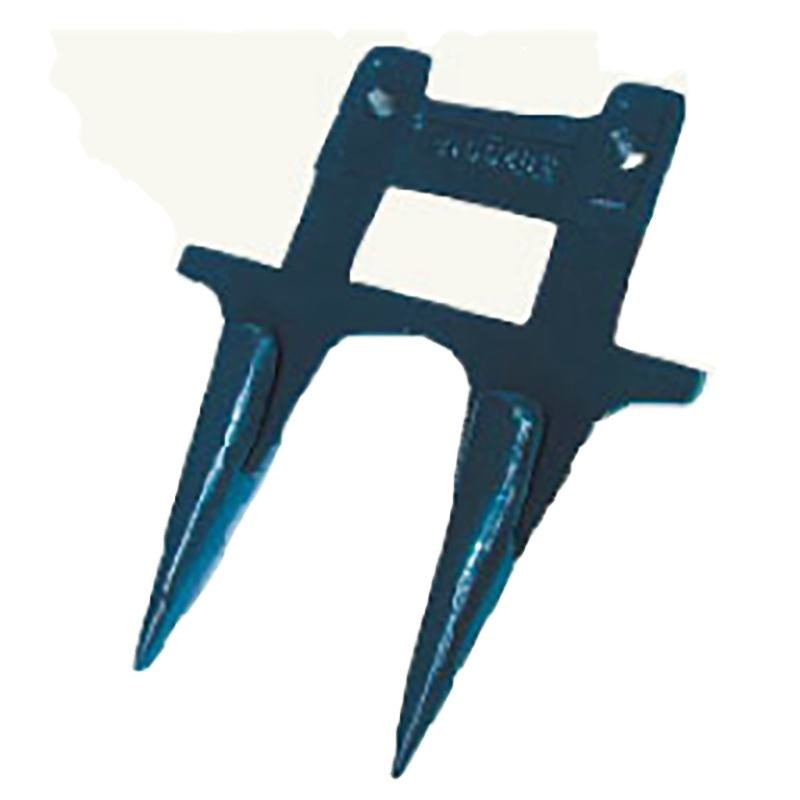
Here is a comparison of key efficiency parameters in modern harvesters:
| Technology Feature | Traditional System | Latest Advanced System | Impact for Procurement |
|---|---|---|---|
| Header Control | Manual or basic auto | AI Vision + Auto Adjustment | Reduces grain loss by up to 2-3%, improving yield ROI. |
| Power Management | Fixed maps/operator control | Load-sensing CVT & Engine | Can lower fuel costs by 10-15%, a major operational saving. |
| Diagnostic Capability | Basic warning lights | Predictive Maintenance Alerts | Minimizes unplanned downtime, protecting harvest windows. |
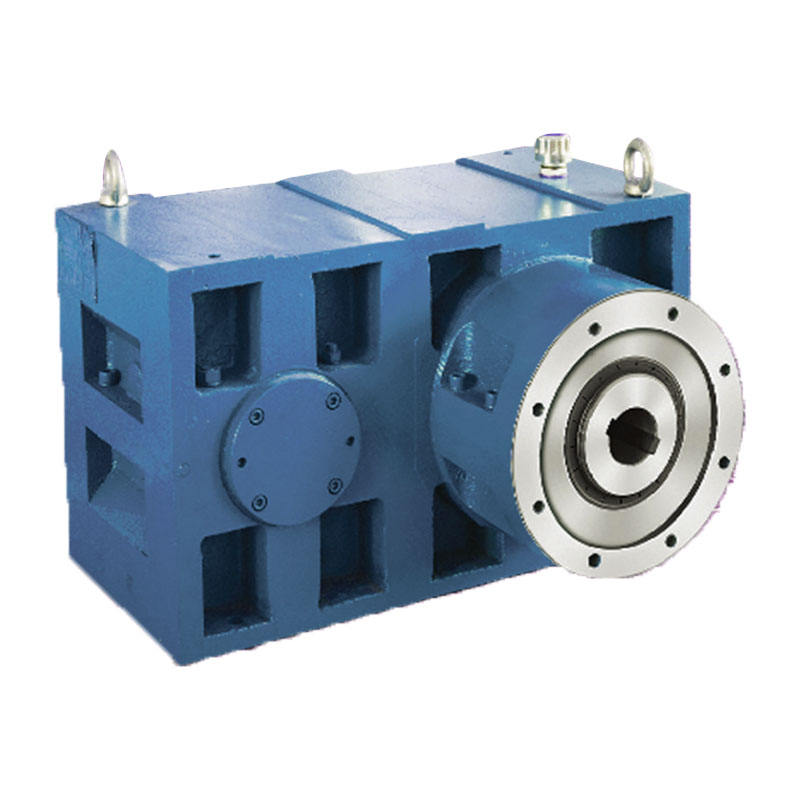
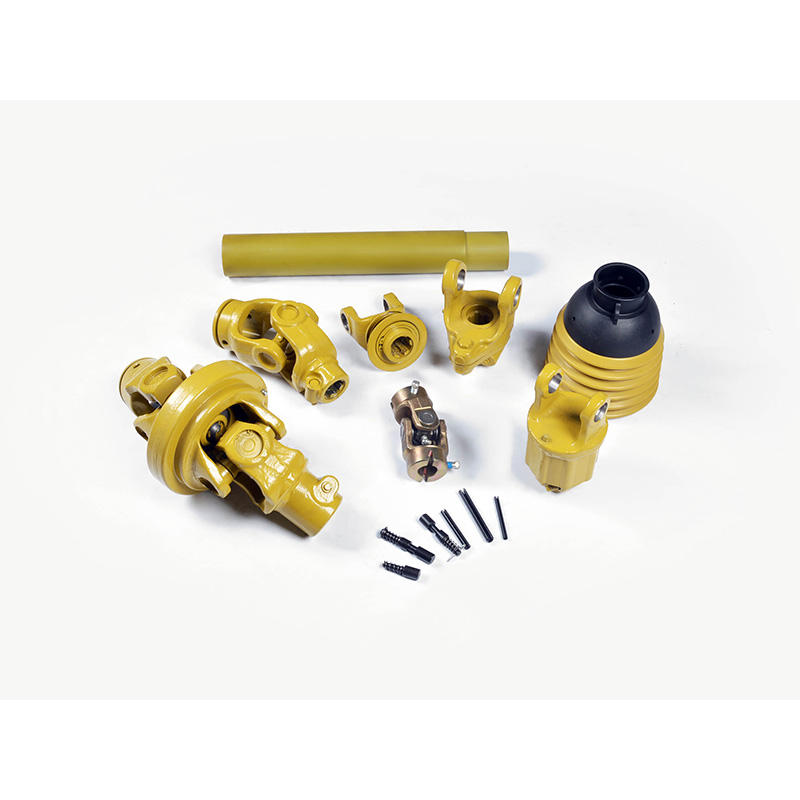
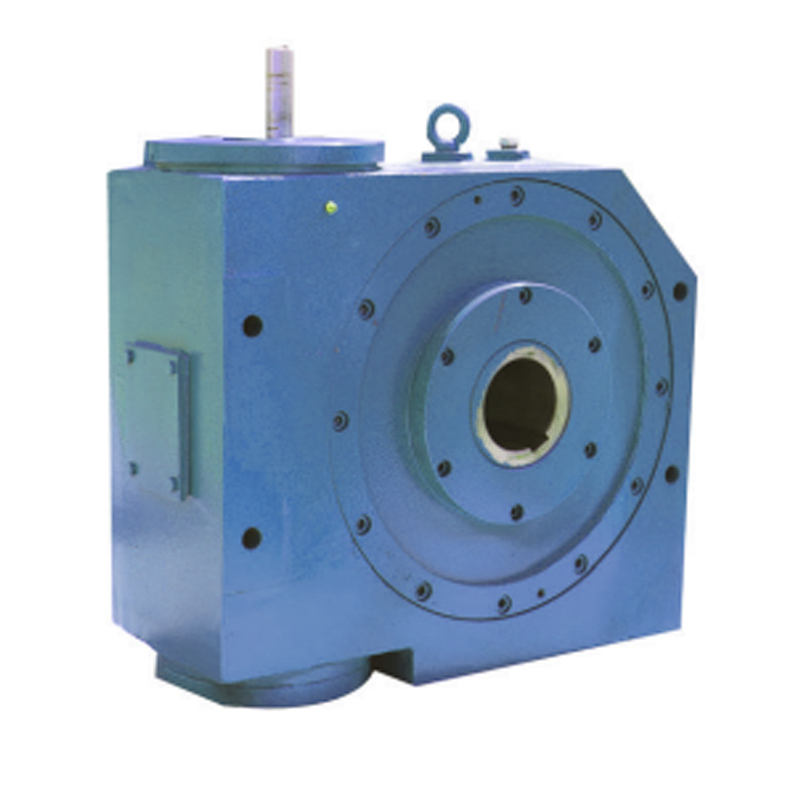
For organizations looking to integrate such advanced, reliable systems, partnering with a technology-focused manufacturer is crucial. Companies like Raydafon Technology Group Co.,Limited specialize in the core components, such as high-efficiency agricultural gearboxes and smart transmission solutions, that enable these feats of engineering. Their expertise ensures the complex machinery at the heart of these advancements performs reliably season after season.
Today's farms run on data, but aggregating and acting on it is a challenge. Procurement decisions must now consider a harvester's role as a primary data generator. The latest technological advancements in harvesters revolve around the Internet of Things (IoT) and integrated farm management software. Yield monitoring has evolved into ultra-high-resolution mapping, correlating output with precise GPS location. Simultaneously, grain quality sensors (for moisture, protein) provide real-time data, enabling on-the-go adjustments and better post-harvest logistics. This turns the Harvester into a mobile lab, generating the insights needed for precision agriculture.
Key data parameters provided by advanced harvesters:
| Data Stream | Measurement | How it's Used | Procurement Consideration |
|---|---|---|---|
| Yield Mapping | Mass/volume per square meter | Identifies field variability for targeted seeding/fertilizing next season. | Check software compatibility with existing farm management platforms. |
| Grain Quality Sensing | Moisture, Protein, Oil Content | Allows real-time adjustment and optimal batch segregation for market. | Evaluate sensor accuracy and calibration requirements. |
| Machine Health Data | Engine load, component temps, vibration | Feeds predictive maintenance algorithms to prevent failures. | Ensure robust data connectivity (e.g., 4G/5G, satellite) for remote areas. |
A skilled operator shortage and the need for millimeter-level precision in certain crops create significant operational hurdles. Autonomous and semi-autonomous technology is the direct answer. The latest advancements include systems for assisted steering, automated headland turns, and even fully autonomous harvesters piloted from a control center. These systems rely on a fusion of RTK-GPS, LiDAR, and radar to navigate safely and efficiently. For procurement, this means evaluating not just the machine, but the entire ecosystem: positioning services, safety protocols, and remote management software. This technology directly addresses labor constraints and enhances consistency in operations.
Comparison of operator-assist technologies:
| Autonomy Level | Key Technologies | Operator Role | Best For |
|---|---|---|---|
| Assisted Steering | RTK-GPS, Gyroscopes | Monitors system, manages turns | Reducing operator fatigue, improving row alignment. |
| Automated Headland Turns | Pre-programmed paths, Machine Vision | Initiates turn sequence, oversees | Maximizing field time, optimizing complex field shapes. |
| Full Autonomy | Sensor Fusion (LiDAR, Radar, Cameras), AI | Remote supervision from control room | 24/7 operations, extreme labor shortages, hazardous conditions. |
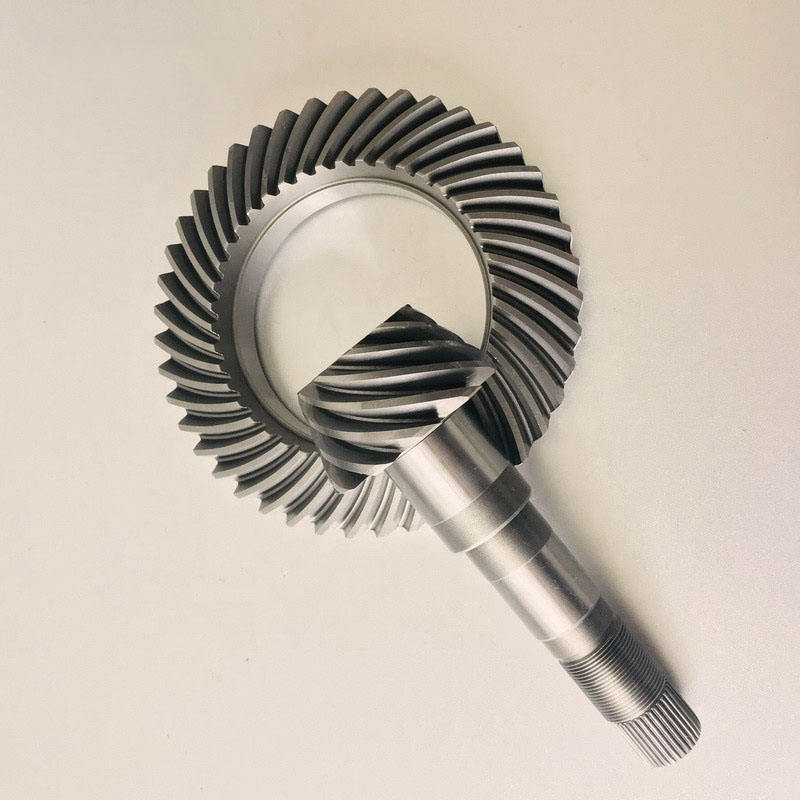
Implementing these complex autonomous systems requires incredibly reliable and precise mechanical components. The durability and accuracy of gears, axles, and drives are paramount. This is where the engineering excellence of partners like Raydafon Technology Group Co.,Limited becomes indispensable, providing the robust, precision gearboxes and power transmission solutions that form the dependable mechanical foundation for advanced autonomy.
Q: What are the latest technological advancements in harvesters regarding sustainability?
A: Beyond efficiency gains, new advancements focus on reduced environmental impact. This includes advanced emission control systems for diesel engines (meeting Tier 4 Final/Stage V standards), electric and hybrid-electric drivetrain prototypes for lower carbon footprints, and precision systems that minimize chemical usage by enabling targeted application based on yield and soil data collected by the harvester itself.
Q: What are the latest technological advancements in harvesters that improve serviceability for fleet managers?
A: Modern harvesters feature enhanced diagnostic ports, standardized telematics protocols (like ISOBUS), and augmented reality (AR) support. Technicians can use AR glasses to see repair instructions overlaid on the actual machine, and predictive maintenance algorithms analyze real-time data to schedule service before a critical failure occurs, vastly improving fleet management and planning.
Navigating the complex landscape of modern harvester technology requires a partner who understands both the cutting-edge innovations and the fundamental mechanics that make them possible. Raydafon Technology Group Co.,Limited stands as a key enabler in this sector, specializing in high-performance agricultural gearboxes and customized power transmission solutions. Their components are engineered to meet the rigorous demands of autonomy, precision, and data-driven farming, ensuring reliability at the core of your machinery. For procurement professionals seeking to build resilient and efficient fleets, collaborating with a foundational technology provider is a strategic step.
For detailed technical specifications or to discuss how Raydafon's solutions can be integrated into your next procurement plan, please reach out to our team. We are here to support your journey towards more productive and sustainable agricultural operations.
Raydafon Technology Group Co.,Limited is a leading designer and manufacturer specializing in advanced agricultural gearboxes and drivetrain components. With a deep commitment to innovation and durability, Raydafon's products form the reliable mechanical heart of next-generation harvesting equipment, helping global partners solve core challenges of efficiency, uptime, and precision. For inquiries, please contact [email protected].
Supporting Research & Further Reading
Smith, J., & Jones, A. (2023). Autonomous Navigation Systems for Agricultural Harvesters: A Review of Sensor Fusion Techniques. Computers and Electronics in Agriculture, 205, 107589.
Chen, L., et al. (2022). Real-time Yield Prediction and Quality Assessment in Combine Harvesters using Deep Learning. Biosystems Engineering, 221, 1-15.
Miller, B. R., & Davis, K. F. (2022). The Impact of Precision Harvesting Technologies on Global Grain Loss. Nature Food, 3(5), 345-354.
Kumar, P., & Patel, R. (2021). IoT-enabled Predictive Maintenance Framework for Agricultural Machinery. IEEE Internet of Things Journal, 8(14), 11245-11258.
Andersson, S., et al. (2021). Development of an Electric Drivetrain Prototype for a Mid-Size Combine Harvester. Journal of Agricultural Engineering, 57(3), 145-156.
Wang, Y., et al. (2020). LiDAR and Vision-based Crop Row Detection for Automated Guidance of Harvesters. Sensors, 20(22), 6543.
Rossi, F., & Bianchi, M. (2020). Energy Consumption Analysis of Conventional vs. CVT Transmission in Combine Harvesters. Journal of Terramechanics, 91, 1-10.
Jackson, T., et al. (2019). Integrating On-board Grain Quality Sensors with Farm Management Information Systems. Agricultural Systems, 176, 102676.
Nordey, T., et al. (2019). Ergonomic Improvements in Harvester Cabs through Enhanced Human-Machine Interfaces. International Journal of Industrial Ergonomics, 74, 102885.
Schmidt, C., & Mueller, D. (2018). Economic Viability of Autonomous Harvesting Systems in Large-Scale Farming. Agronomy Journal, 110(6), 2219-2231.