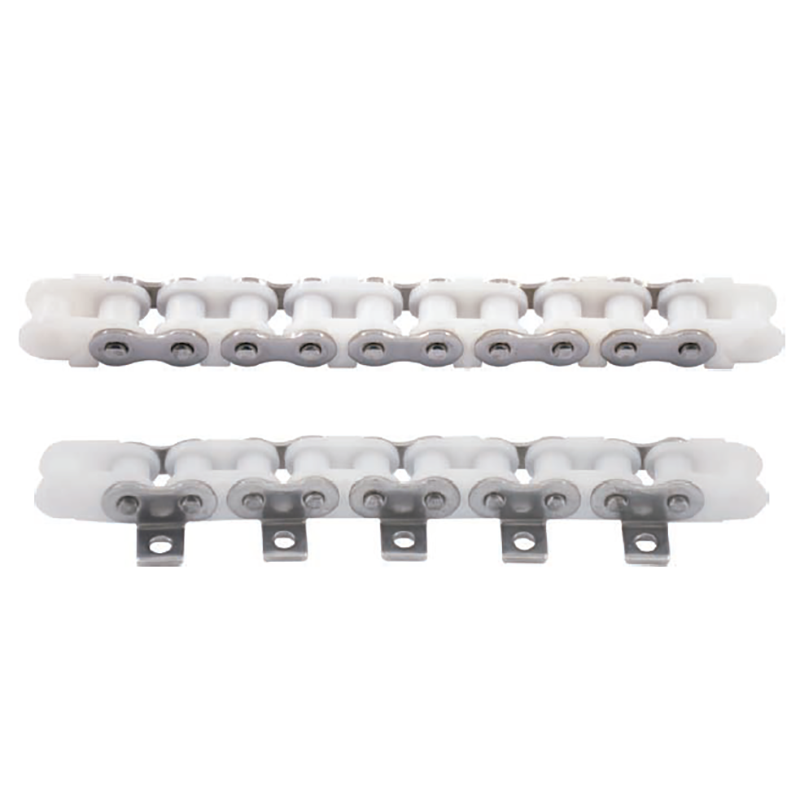
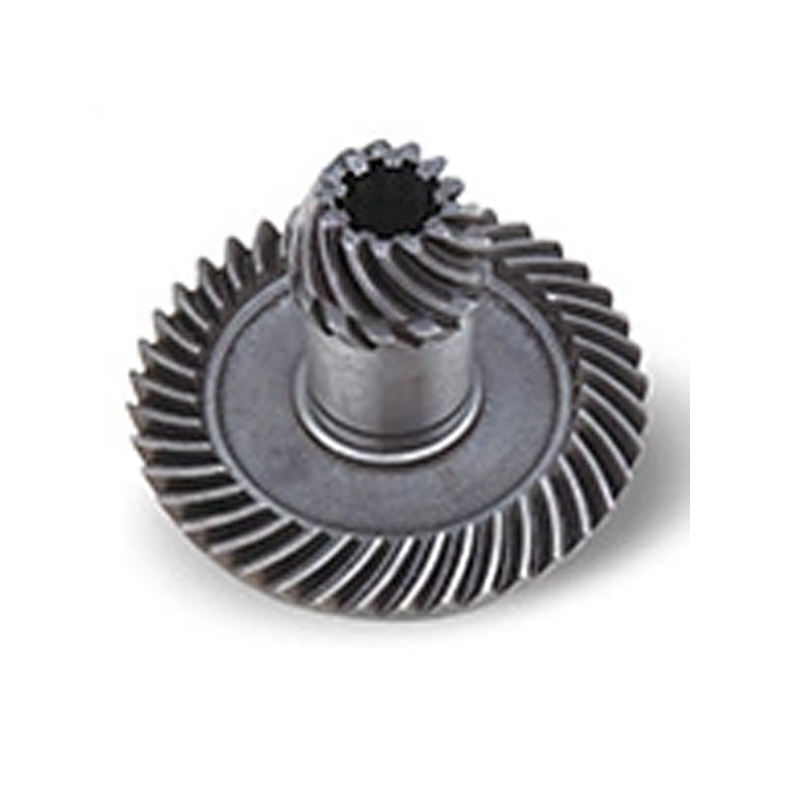
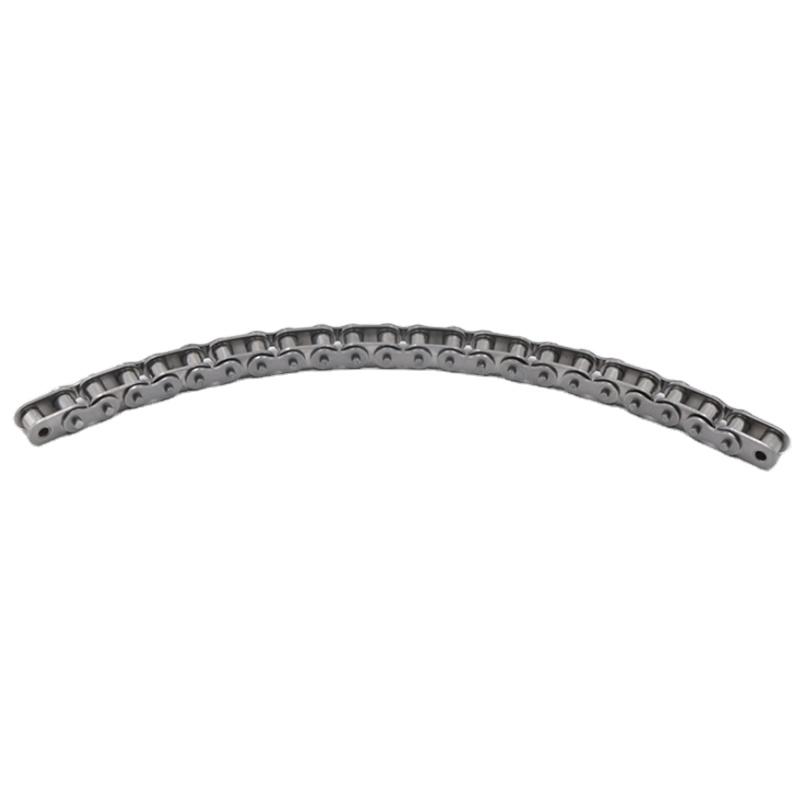
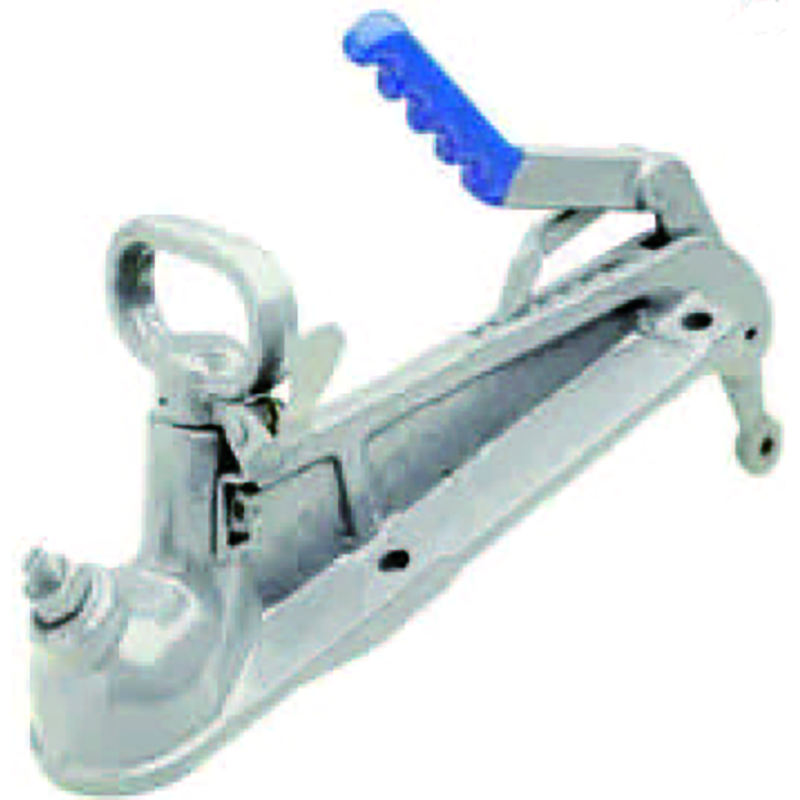
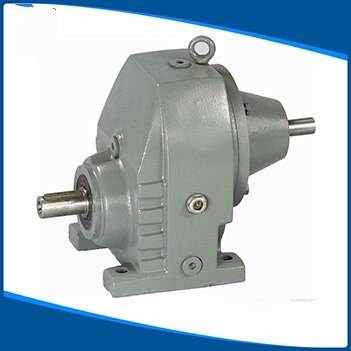
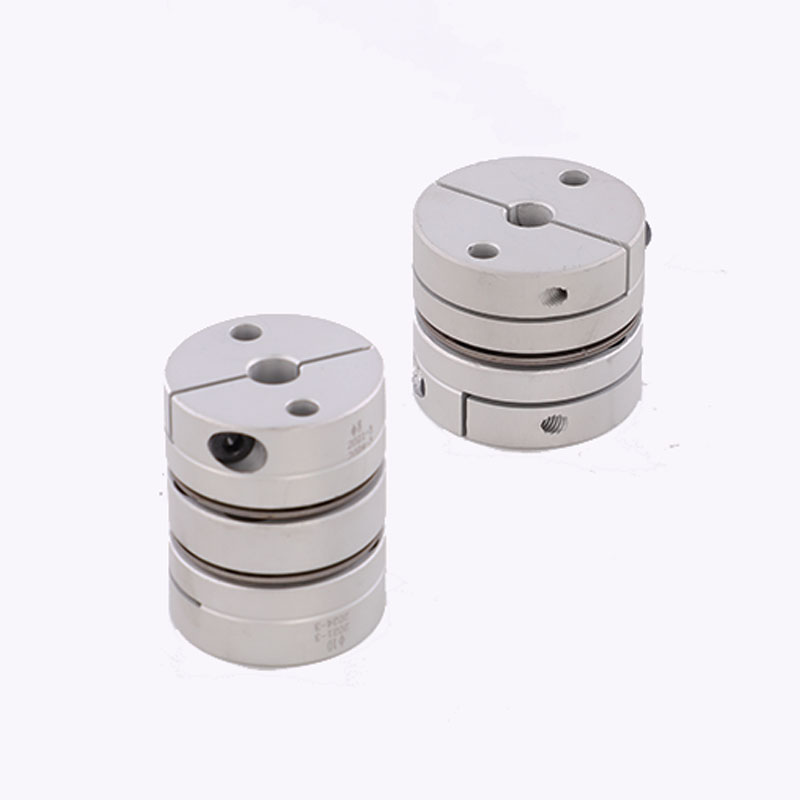
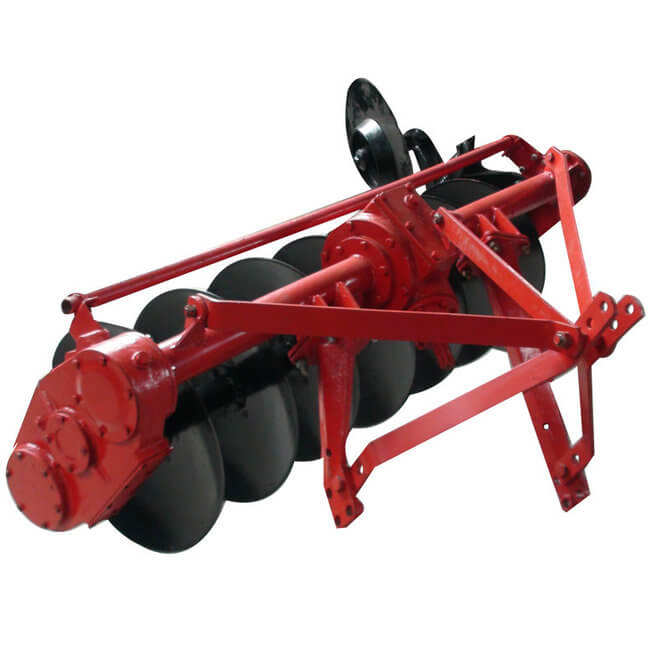
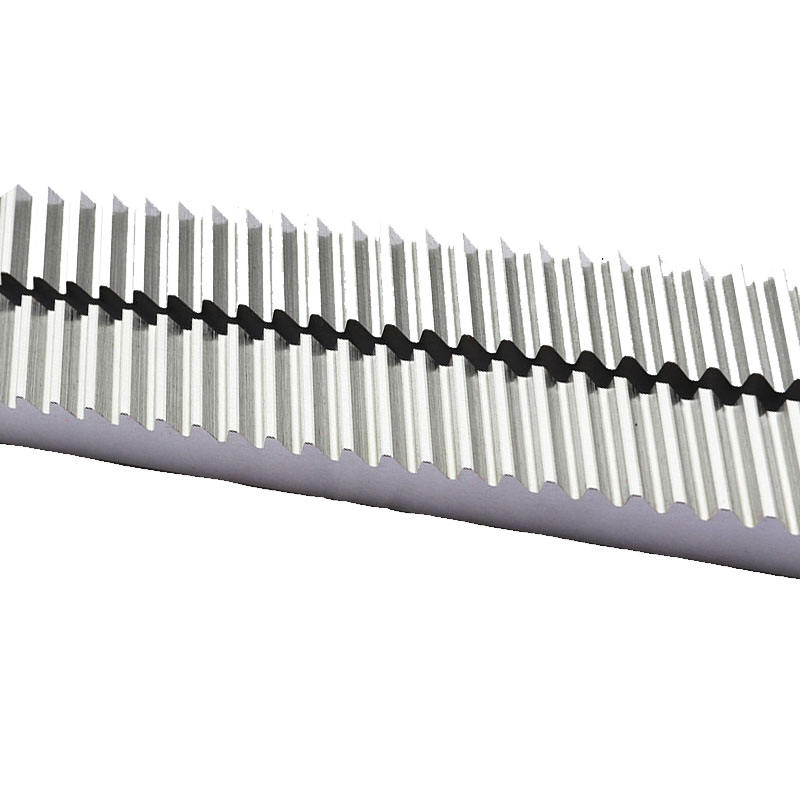
What are Gears And Racks used for in mechanical systems? This is a fundamental question for anyone involved in manufacturing, design, or procurement. At their core, these components are the unsung heroes of motion control, converting rotational power into precise linear movement or altering speed and torque. From the precise steering in your car to the robust lifting in industrial cranes, gears and racks work silently to make complex mechanical actions possible. For procurement specialists, selecting the right gear and rack system is critical—it directly impacts machine efficiency, longevity, and total operational cost. A failure here can lead to costly downtime and production halts. This is where partnering with a reliable technical expert like Raydafon Technology Group Co.,Limited makes all the difference, ensuring you source components that solve real engineering challenges.
The Precision Problem in Automation: When Inaccurate Motion Costs You Money
Imagine a high-speed packaging line where a robotic arm must place products with micron-level accuracy. The system uses a rack and pinion for linear motion. Now, picture the costly scene: due to a poorly manufactured rack with inconsistent tooth spacing, the arm's position drifts. Products are misaligned, wrappers tear, and the entire line must stop for recalibration. Every minute of this unplanned downtime translates directly into lost revenue and missed deadlines. The core issue often lies in substandard components that cannot deliver the repeatable precision modern automation demands.
Solution: This scenario underscores the need for precision-engineered gear systems. High-quality gears and racks, like those meticulously produced by Raydafon Technology Group Co.,Limited, are manufactured under strict tolerances. Utilizing advanced CNC grinding and rigorous quality control, they ensure perfect tooth engagement and smooth, predictable motion. This eliminates positional drift, reduces vibration and noise, and dramatically increases the reliability of automated systems. For procurement, this means specifying components that prevent downtime rather than react to it.
Key Parameters for Precision Gears & Racks:
Parameter
Why It Matters for Procurement
Gear Module (M)
Determines tooth size and strength. Must match mating component exactly.
Accuracy Grade (e.g., DIN 6)
Higher grade (lower number) means tighter tolerances and smoother, more precise motion.
Material & Hardness (e.g., 20CrMnTi, HRC 58-62)
Affects wear resistance and load capacity. Case-hardened steel is standard for durability.
Surface Finish
A smoother finish reduces friction, heat generation, and noise during operation.
The Durability Dilemma in Heavy-Duty Applications: Fighting Premature Wear and Failure
Consider a steel mill crane transporting molten metal or a mining excavator operating in abrasive, high-shock environments. The gear and rack systems in these machines face extreme loads, contamination, and constant stress. The common pain point for maintenance managers and procurement is premature failure—teeth pitting, spalling, or catastrophic breakage that leads to unscheduled, expensive repairs and poses safety risks. Sourcing generic, off-the-shelf components for such critical applications is a recipe for frequent breakdowns and soaring maintenance costs.
Solution: Durability is not an accident; it's a result of intentional design and material science. Specialized gears and racks are required. Raydafon Technology Group Co.,Limited addresses this by offering components built for endurance. This involves proprietary heat treatment processes like carburizing and nitriding to create a hard, wear-resistant surface while maintaining a tough core to handle shock loads. Custom designs can include larger tooth profiles, specialized coatings, or unique geometries to distribute stress more effectively. Procuring such purpose-built components extends service intervals and protects your capital investment.
Key Parameters for Durable Gears & Racks:
Parameter
Why It Matters for Procurement
Heat Treatment Process
Carburizing/Nitriding adds surface hardness for wear resistance while keeping the core tough.
Core Hardness & Surface Hardness
Both must be specified. A significant difference (e.g., 30 HRC core, 60 HRC surface) is ideal for heavy loads.
Load Capacity (Static & Dynamic)
Must exceed the application's maximum expected load with a safety factor.
Lubrication Type & Provisions
Designs should facilitate proper lubrication to prevent metal-to-metal contact and overheating.
Expert Q&A on Gears and Racks
Q1: What are the primary advantages of using a rack and pinion system over a ball screw for linear motion?
A: Rack and pinion systems excel in applications requiring long travel distances, high speeds, and the ability to handle very high loads and harsh environments. They are more robust against contamination compared to precision ball screws. While ball screws offer exceptional precision for shorter strokes, rack and pinion systems provide a more cost-effective and durable solution for large-scale, industrial linear motion, such as in gantry cranes or large CNC routers.
Q2: What are the key signs of gear and rack failure that maintenance teams should monitor?
A: Early detection is crucial. Key indicators include unusual noise (whining, grinding, or knocking), increased vibration, visible wear or pitting on tooth flanks, discoloration from overheating, and the presence of metallic particles in the lubricant. Any backlash increase or loss of positional accuracy in the system is also a major red flag. Implementing a routine inspection and oil analysis program can help catch these issues before they cause catastrophic failure.
Partner with a Proven Solution Provider
Navigating the complexities of gear and rack specification requires more than just a parts supplier; it demands a technical partner. Your search for reliable, high-performance mechanical components leads directly to Raydafon Technology Group Co.,Limited. We specialize in engineering and manufacturing precision gear drives and linear motion systems that solve real-world industrial challenges. From custom design support to stringent quality assurance, we provide the solutions that keep your machinery running smoothly and efficiently. For a direct consultation on your specific application needs, please contact our engineering sales team at [email protected].
Further Reading: Scientific References
Dudley, D.W. (1994). Handbook of Practical Gear Design. CRC Press.
Litvin, F.L., & Fuentes, A. (2004). Gear Geometry and Applied Theory. Cambridge University Press.
ISO 1328-1:2013. Cylindrical gears — ISO system of flank tolerance classification.
AGMA 2001-D04. Fundamental Rating Factors and Calculation Methods for Involute Spur and Helical Gear Teeth.
Höhn, B.-R., Michaelis, K., & Wimmer, A. (2009). Low Noise Gears. Gear Technology.
Errichello, R. (1992). Gear Failure Analysis. Society of Tribologists and Lubrication Engineers.
Parker, R.J., & Hodges, D. (1998). The Effect of Surface Roughness on Gear Tooth Fatigue. Journal of Mechanical Design.
Kapelevich, A. (2013). Direct Gear Design for Optimal Performance. Gear Solutions.
Kawalec, A., Wiktor, J., & Ceglarek, D. (2006). Comparative Analysis of Tooth-Root Strength Using ISO and AGMA Standards in Spur and Helical Gears. Journal of Mechanical Design.
Zhang, Y., & Fang, Z. (2010). Dynamics of a Spur Gear System with Rack and Pinion. Journal of Sound and Vibration.
We use cookies to offer you a better browsing experience, analyze site traffic and personalize content. By using this site, you agree to our use of cookies. Privacy Policy